
Calorie Counter for Vietnamese Food: How to Pick an App
Most calorie apps handle pho and com tam badly. Here is what to check before you commit, and how MyFitnessPal, Caloer and FitArchive compare.
Read article Fit.ArchiveOpen my log
FitArchive / Journal
Train with a record. Research-backed guides to splits, reps, protein and Vietnamese food calories that help you read what you log and plan the next session.
No articles found.
Most calorie apps handle pho and com tam badly. Here is what to check before you commit, and how MyFitnessPal, Caloer and FitArchive compare.
Read article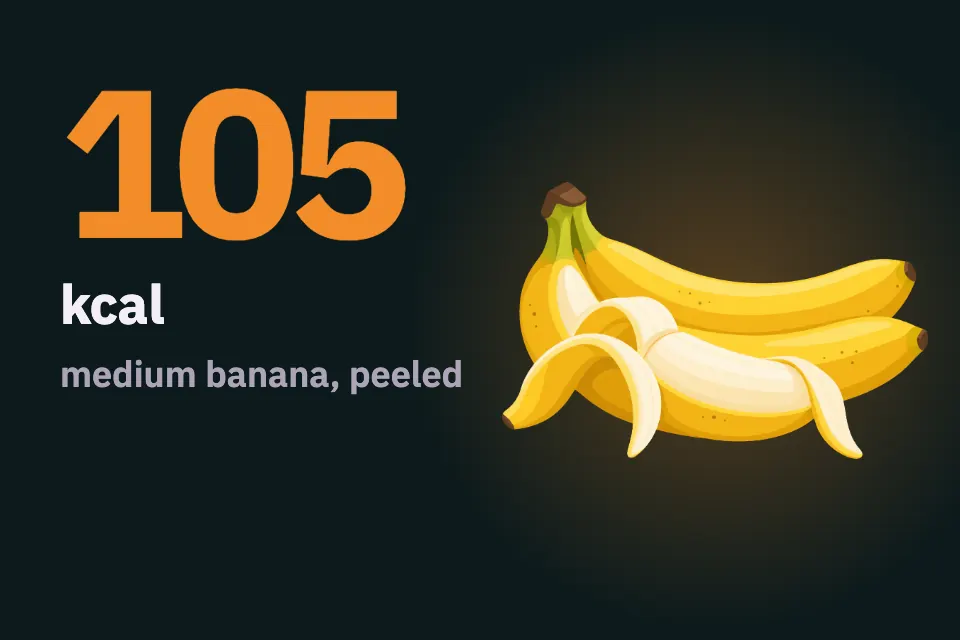
A banana is an easy carbohydrate snack 30 to 60 minutes before training. After training, pair it with protein, because a banana alone has about 1 g.
Read article
One bánh xèo with its lettuce and dipping sauce comes to about 586 kcal and 16 g protein in FitArchive's recipe estimate. More than half of those calories come from oil, pork belly and coconut milk.
Read article
A regular bowl of bún bò Huế comes to about 571 kcal and 42 g protein in FitArchive's recipe estimate, about 153 kcal more than beef phở. The noodles, pork roll and chili oil explain the gap.
Read article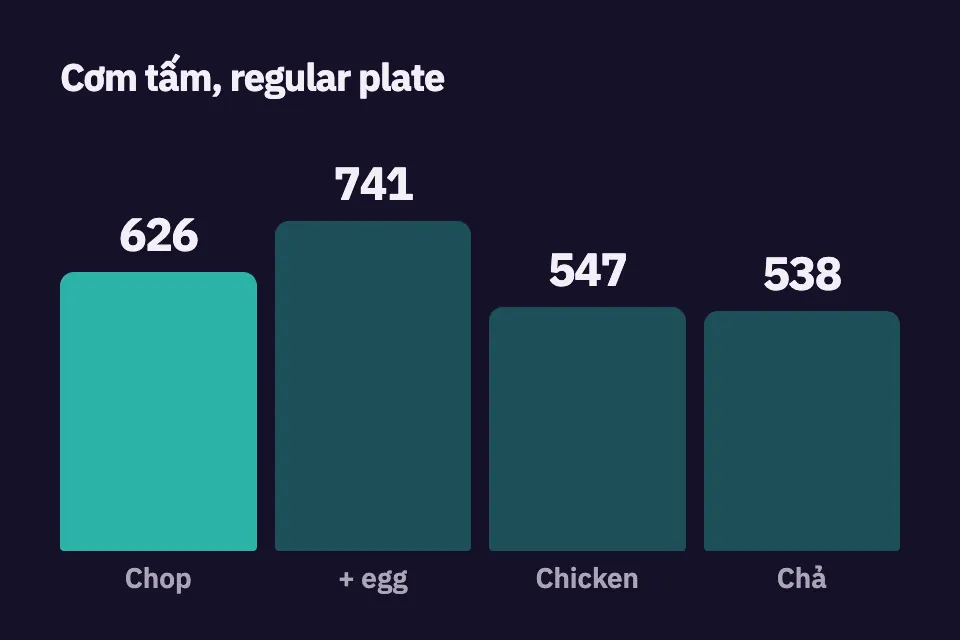
A plate of cơm tấm sườn comes to about 626 kcal and 36 g protein in FitArchive's recipe estimate. The rice and the pork chop each bring about two fifths of the calories.
Read article
Eggs are a cheap, high-quality protein for lifters. How many fit depends on the rest of your diet and your health; around one a day is well studied, more is less certain.
Read article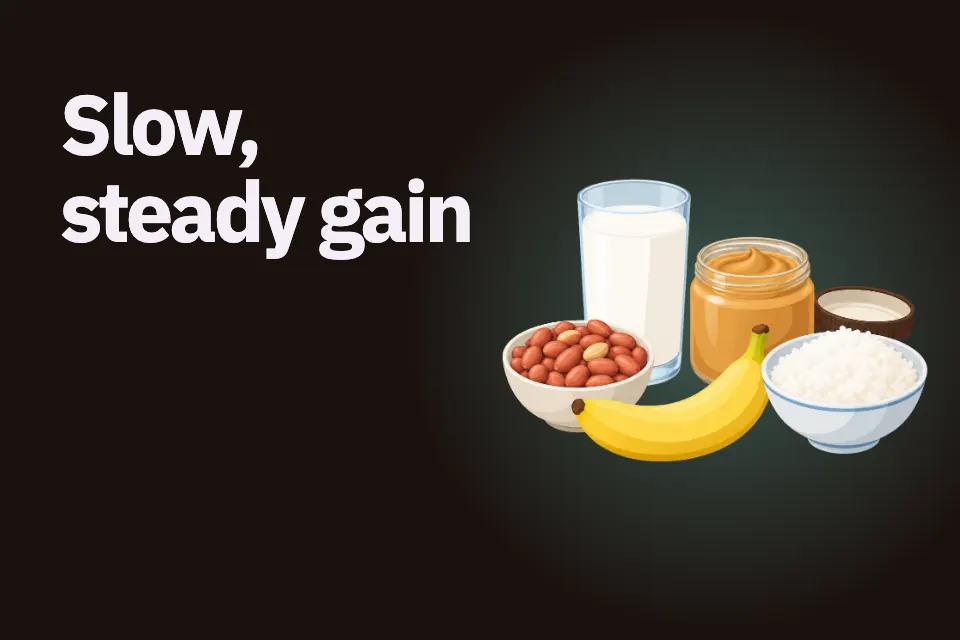
Gaining weight as a naturally thin person comes down to eating a bit more than you burn, every day, while lifting with progressive overload. Studies suggest slow gains keep more of it muscle.
Read article
A block of instant noodles is about 330 kcal but only 8 g of protein in FitArchive's estimate. Fine now and then; add eggs, tofu or meat and greens to make it a real meal.
Read article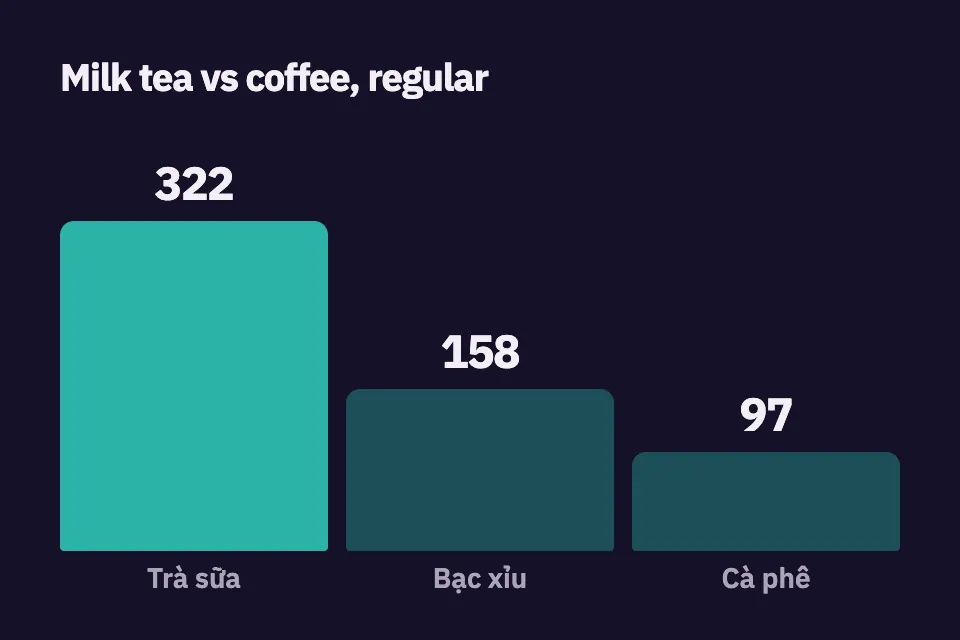
A regular cup of milk tea with tapioca pearls is about 322 kcal and 1 g protein in FitArchive's recipe estimate. Creamer, sugar and pearls bring almost all of it, the creamer most of all.
Read article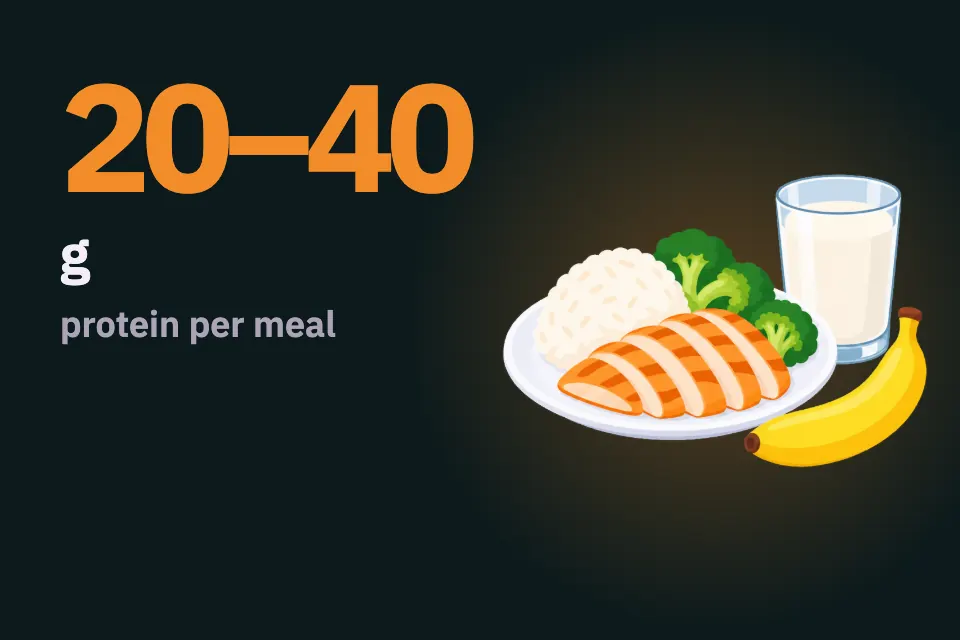
What you eat over the whole day matters more than the exact minutes around training. A meal 1 to 3 hours before and protein within a few hours after is a sensible default.
Read article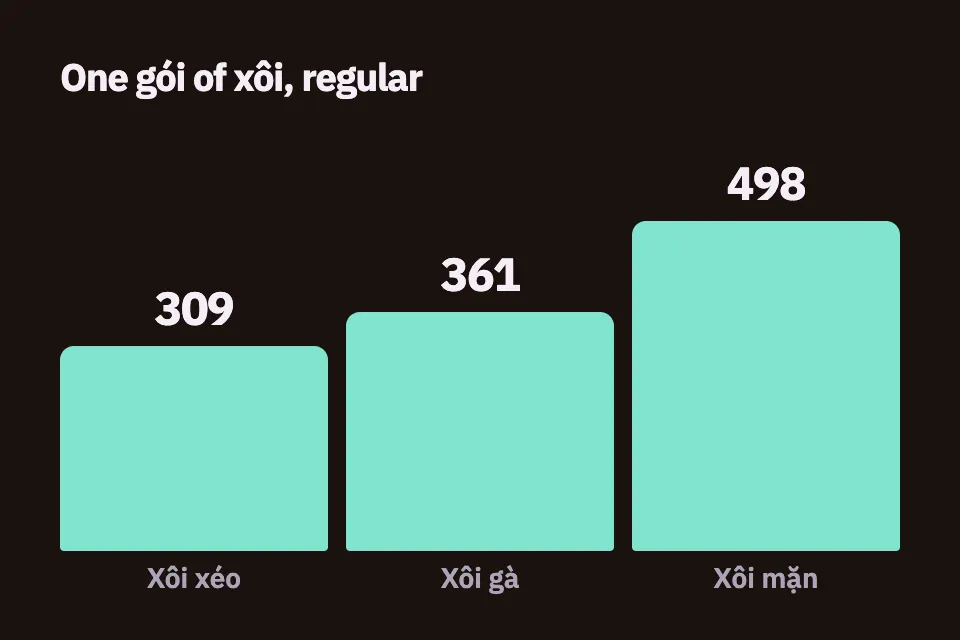
A gói of xôi is about 309 to 502 kcal in FitArchive's recipe estimates. Xôi xéo is mostly rice and fried shallots; xôi gà, xôi thịt kho and xôi xá xíu bring the most protein.
Read article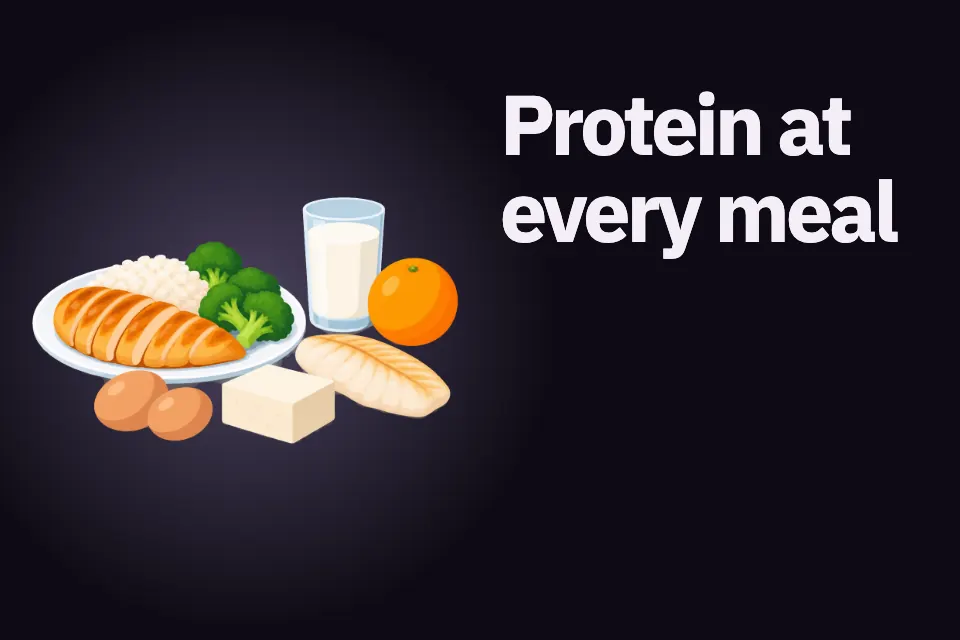
There is no magic muscle food. Eat enough in total, get protein at each meal, put carbs around training and keep the vegetables. Here is how that looks with Vietnamese dishes.
Read article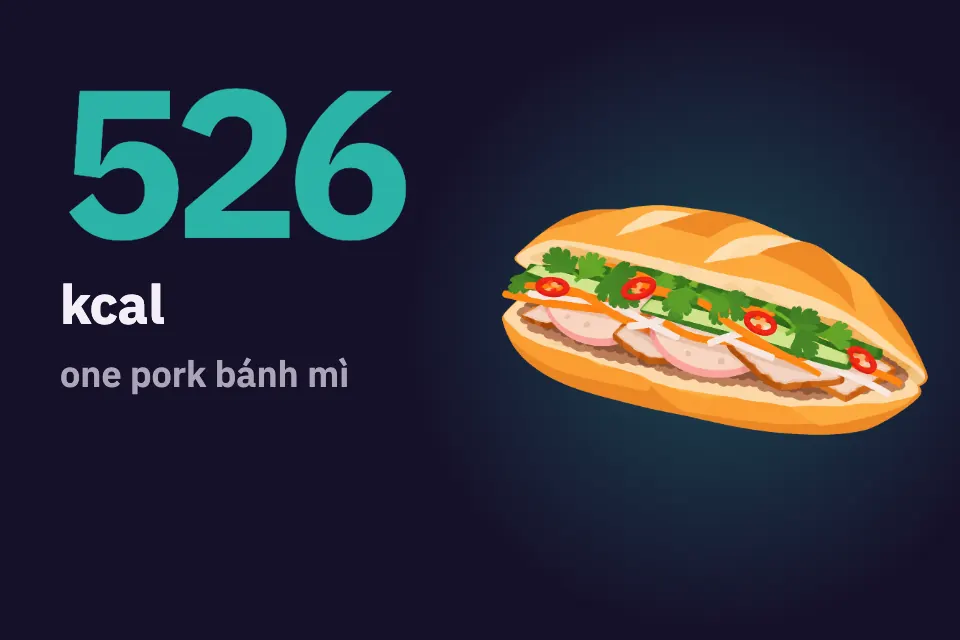
A pork bánh mì comes to about 526 kcal and 25 g protein in FitArchive's recipe estimate. The bread is nearly half of that; pâté and mayonnaise add calories with little protein.
Read article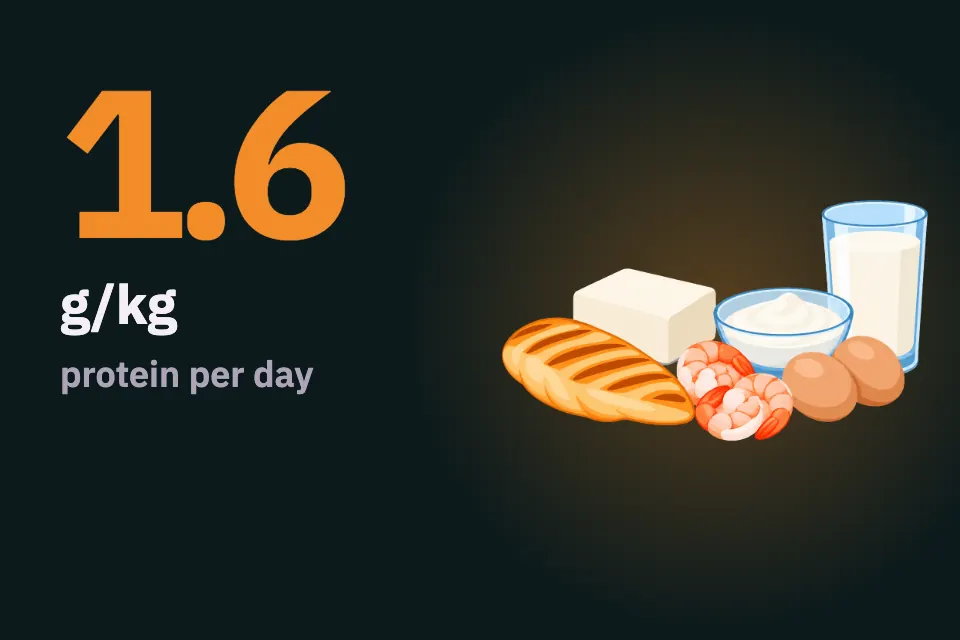
Most lifters do well around 1.6 g of protein per kg of body weight a day, spread over several meals. Here is what that looks like with eggs, chicken, phở and cơm tấm.
Read article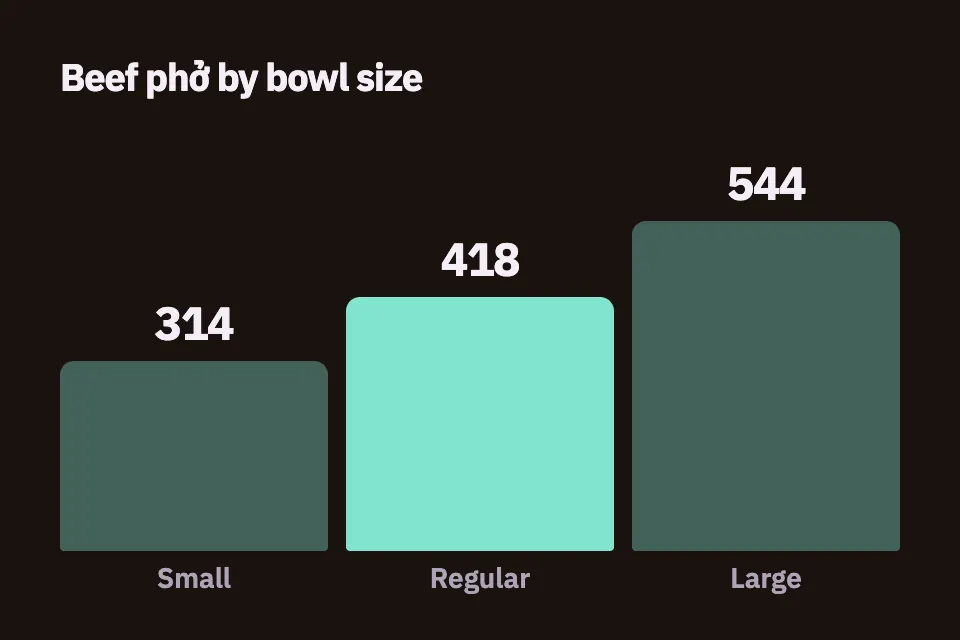
A regular bowl of beef phở comes to about 418 kcal and 38 g protein in FitArchive's recipe estimate. Most of the calories are noodles; most of the protein is the beef.
Read article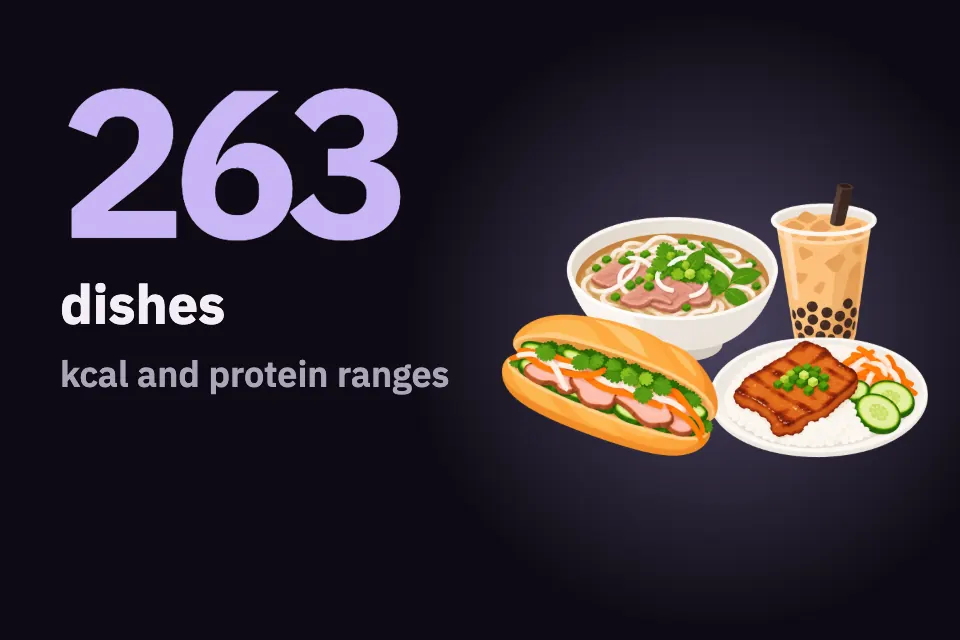
Calories, protein, carbs and fat for 60 everyday Vietnamese dishes and drinks, from recipe estimates, with the highest-protein picks and lighter swaps.
Read article
Keep training and food records side by side, but judge patterns across a week rather than blaming one meal for one difficult set.
Read article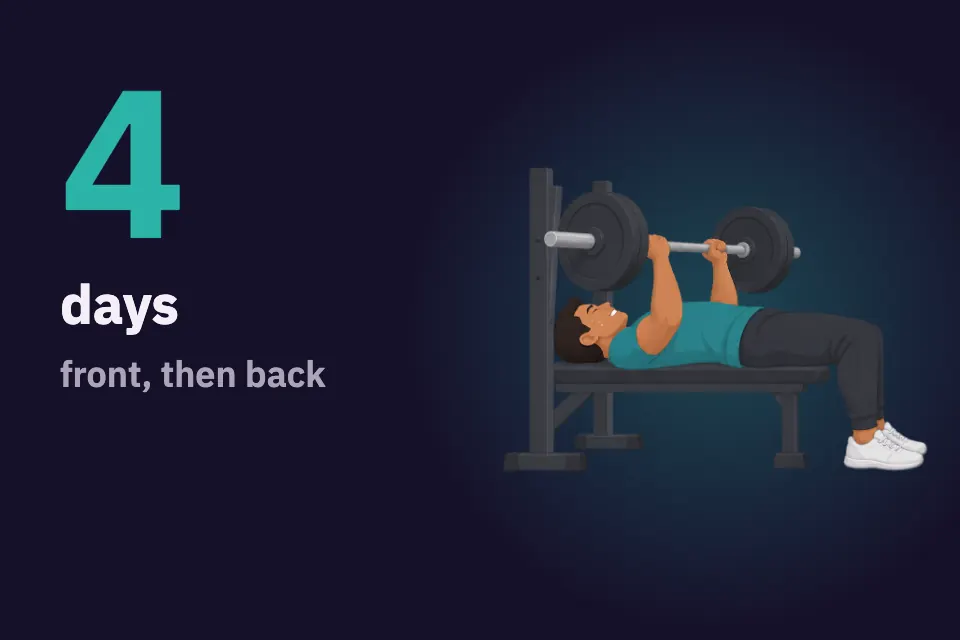
An anterior/posterior split trains the front of your body one day and the back the next. Here is how it works, an example program and who it suits.
Read article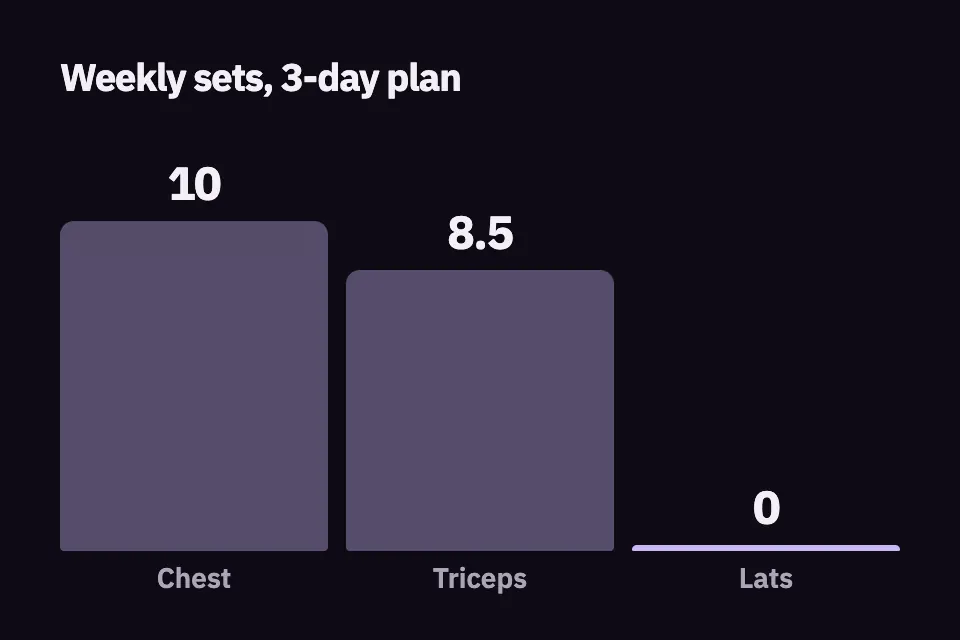
Bodyweight training can build muscle when sets end close to failure and you keep moving to harder variations. Here are progression ladders, example plans and an honest look at pulling.
Read article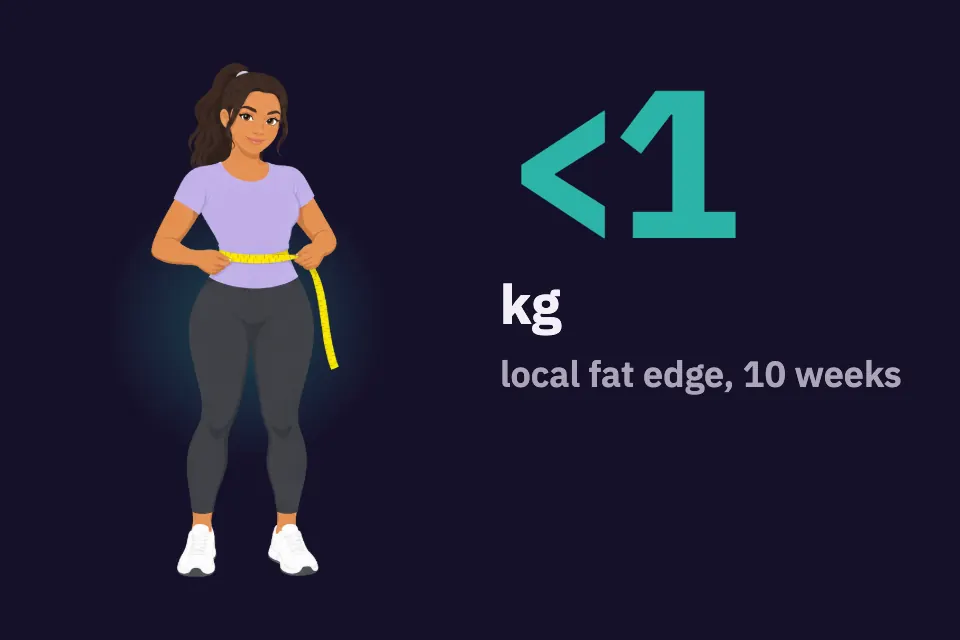
Ab workouts build a stronger core, but studies find they do little to choose where fat comes off. Here is what the research shows and how to track your waist instead of the mirror.
Read article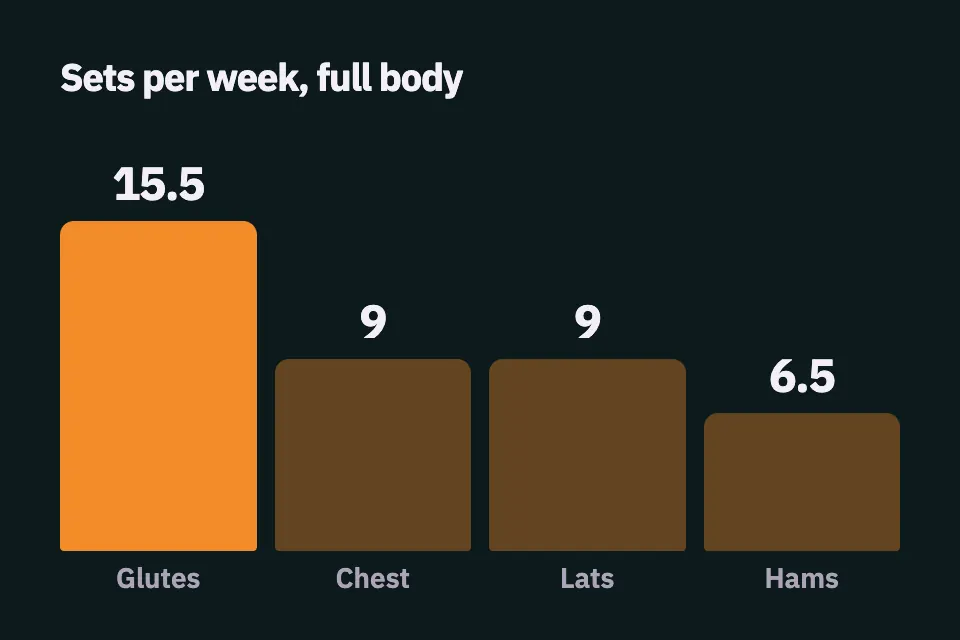
A pair of adjustable dumbbells and sets taken close to failure can build muscle at home. Here are example plans, no-bench swaps and ways to progress when the weights feel light.
Read article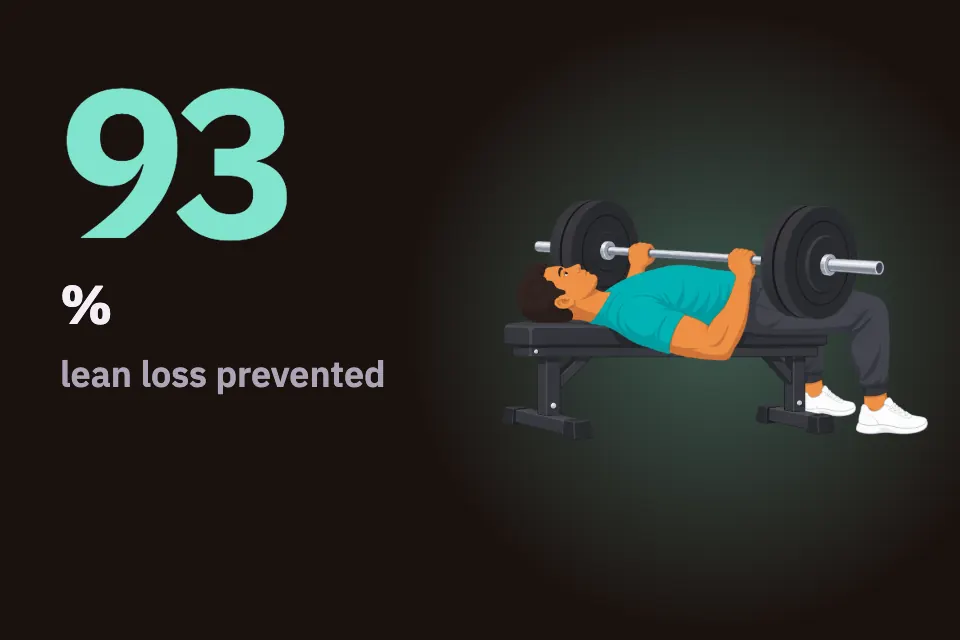
Keep your loads and effort, keep protein high, lose slowly and protect your sleep. Here is what the research shows about each, and how to tell from your log whether a cut is costing you muscle.
Read article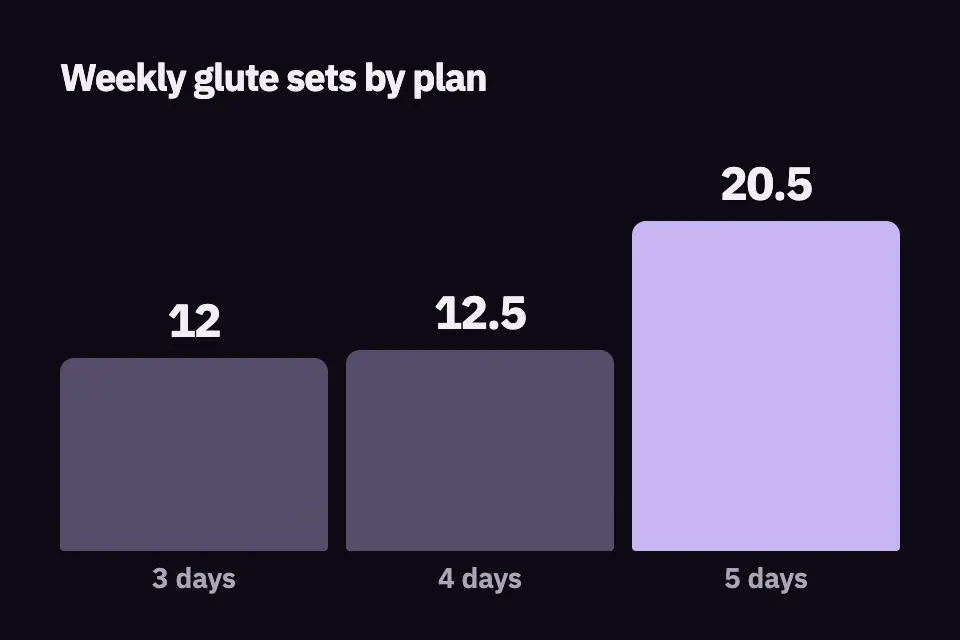
Women gain muscle and strength at similar relative rates to men, and the same training principles apply. Here are the myths, the evidence and example weekly schedules.
Read article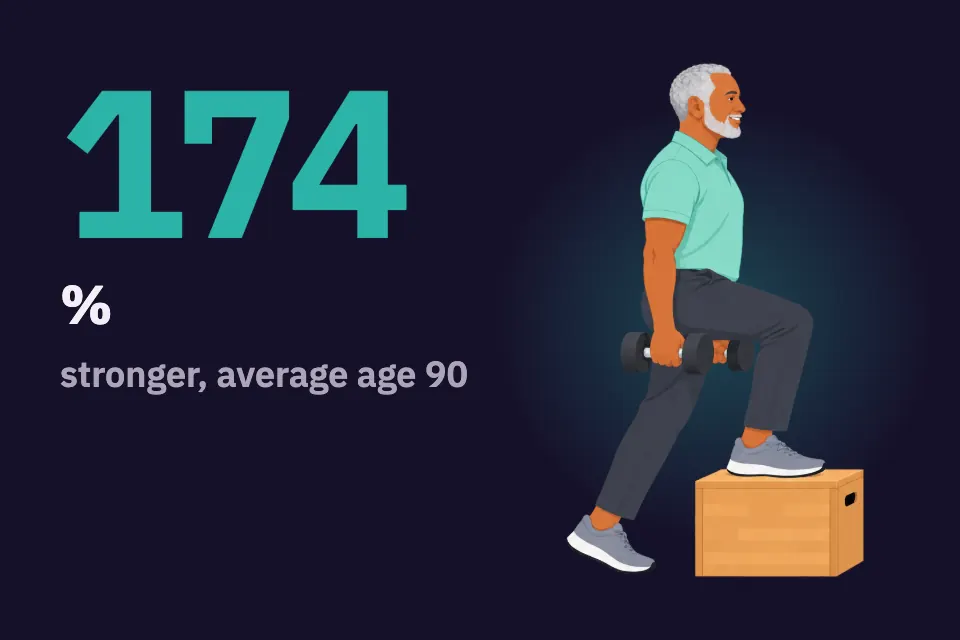
Muscle and strength respond to training at any age studied, including in people in their 90s. Gains may be slower, so start lighter, progress steadily and add balance work.
Read article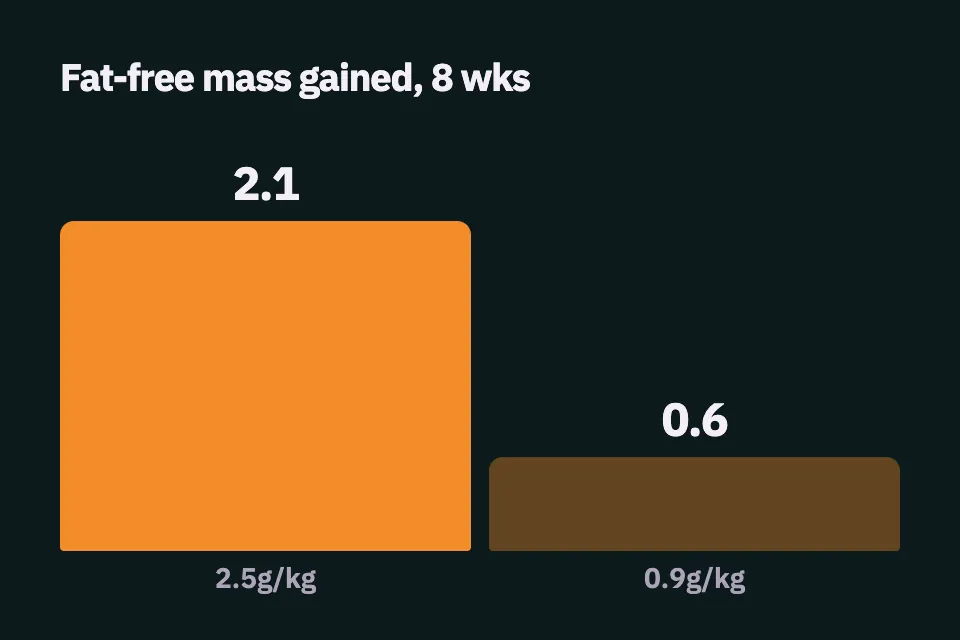
Recomposition is real, but it is slower than social media suggests and works best for some people. Here is what the research shows and how to track it without relying on the scale.
Read article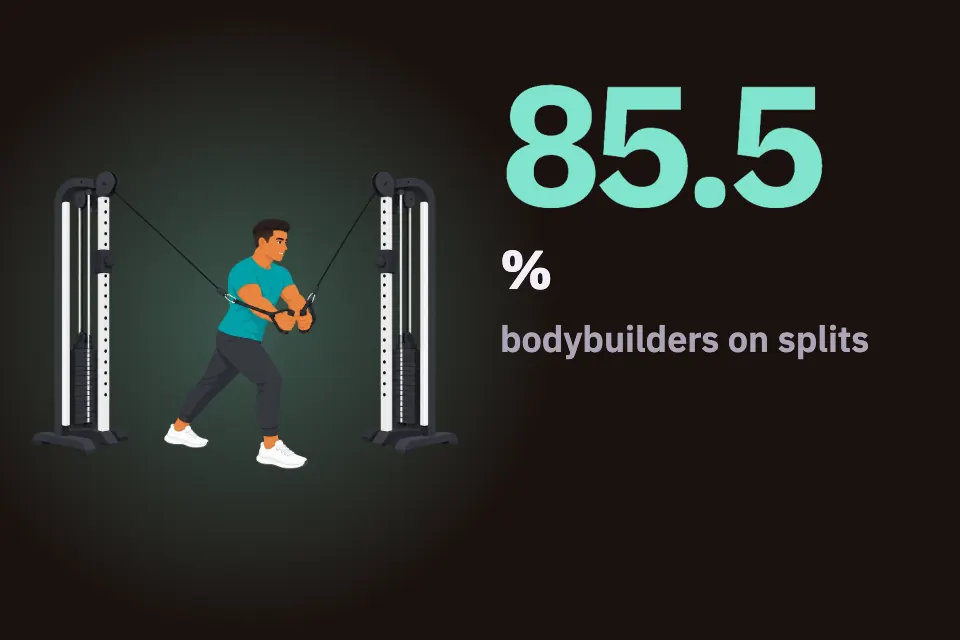
A bro split trains each muscle about once a week. It is not bad if weekly sets are enough, but twice a week makes those sets easier to fit and gives a small edge.
Read article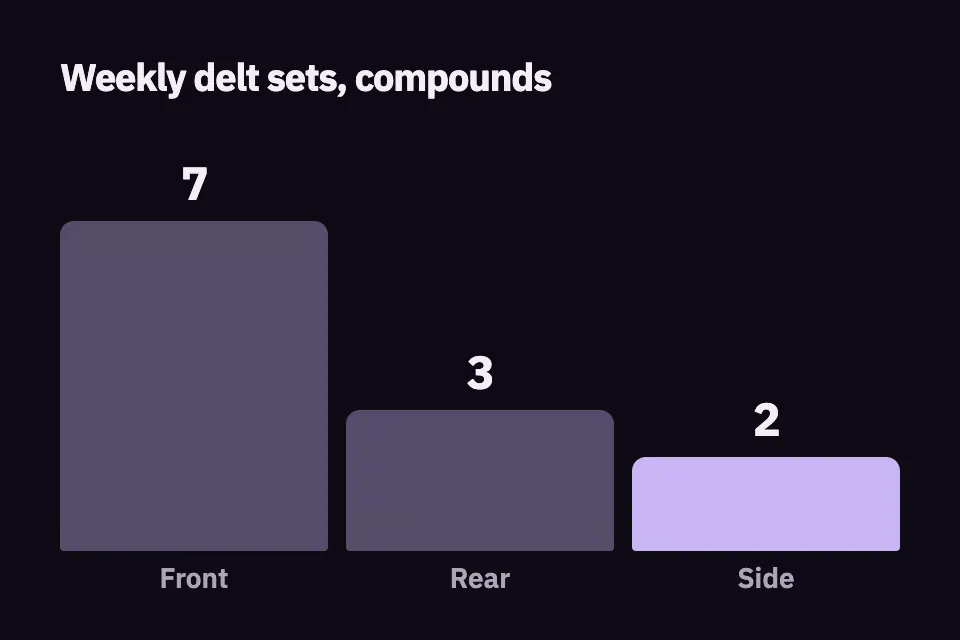
Compound lifts give the most strength and volume per minute. Isolation work fills gaps for muscles the big lifts barely train. Weekly sets per muscle show where.
Read article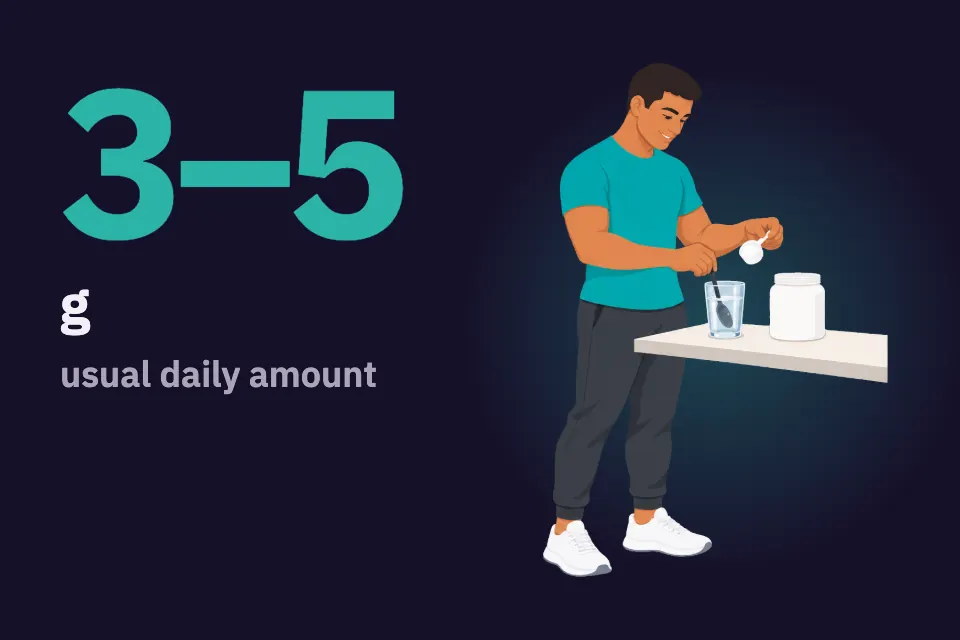
Creatine monohydrate is one of the most studied supplements. It adds a small edge to strength and muscle gain from training, and in healthy adults usual doses look safe.
Read article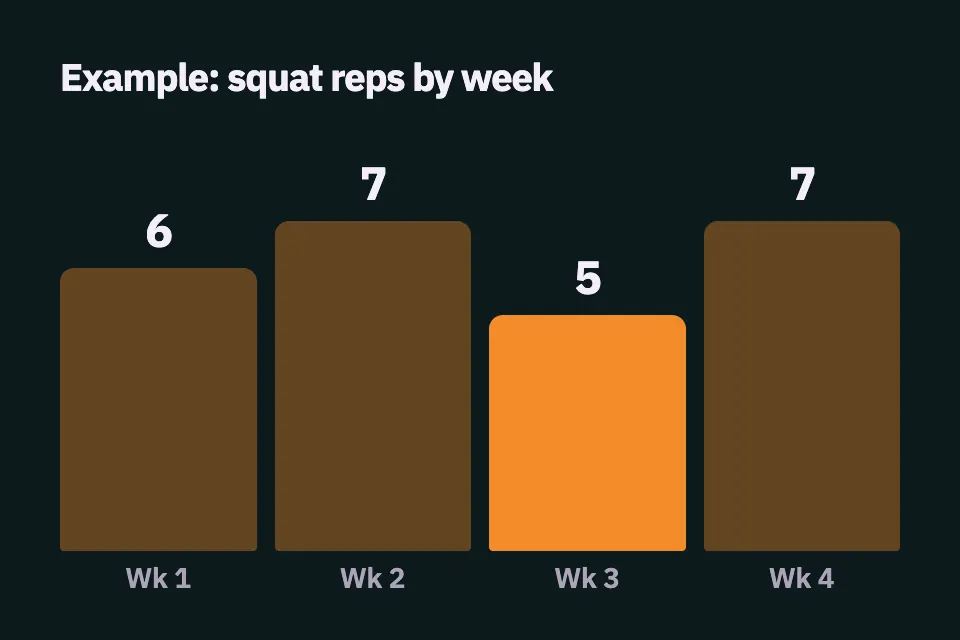
Moderate cardio does not meaningfully blunt muscle growth for most lifters. Very high amounts and same-session running can cost some strength and power.
Read article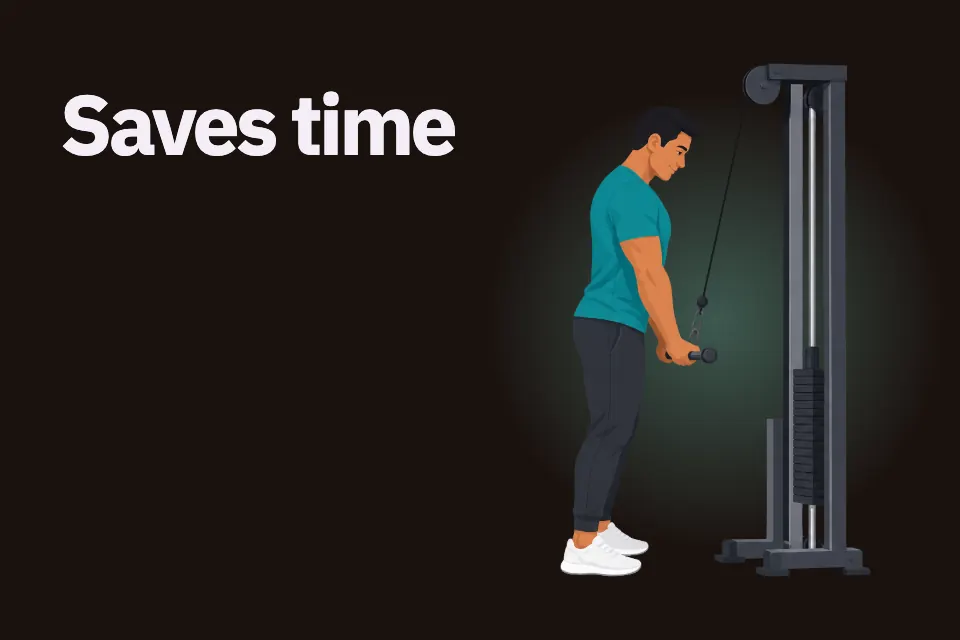
Drop sets, myo-reps and rest-pause sets build about as much muscle as straight sets when volume and effort match. Their real advantage is time, not extra growth.
Read article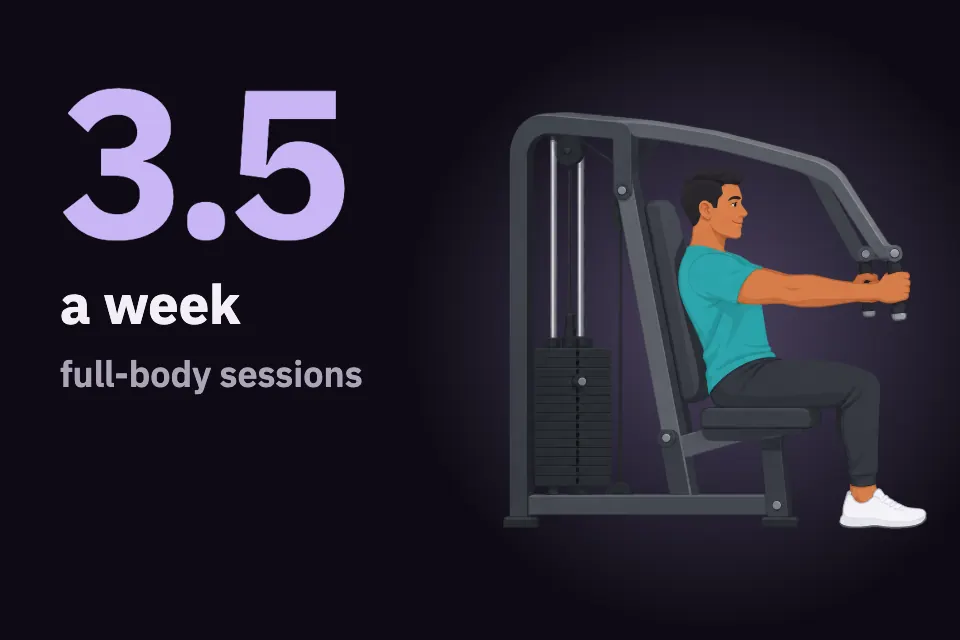
FBEOD means a full-body workout, a rest day, and repeat: about 3.5 sessions a week. Here is how it works, an example A/B program, and what the evidence says.
Read article
Free weights and machines build muscle about equally well. Strength is more specific: you get best at the version you practise, so choose by goal, safety, access and preference.
Read article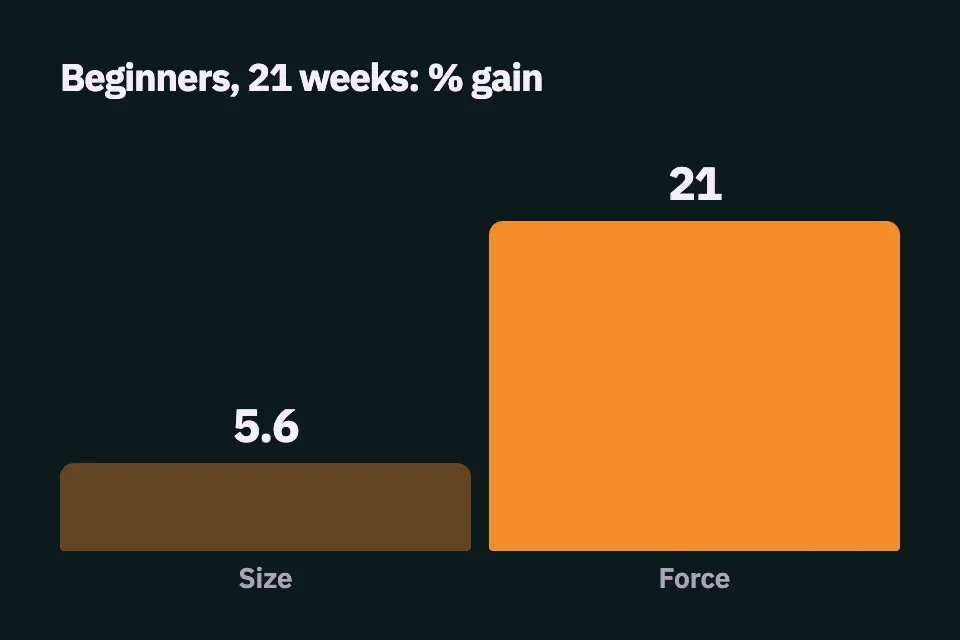
Strength comes first, measurable growth follows within weeks, and visible change takes months. Here is what studies show and how to spot progress in your log before the mirror does.
Read article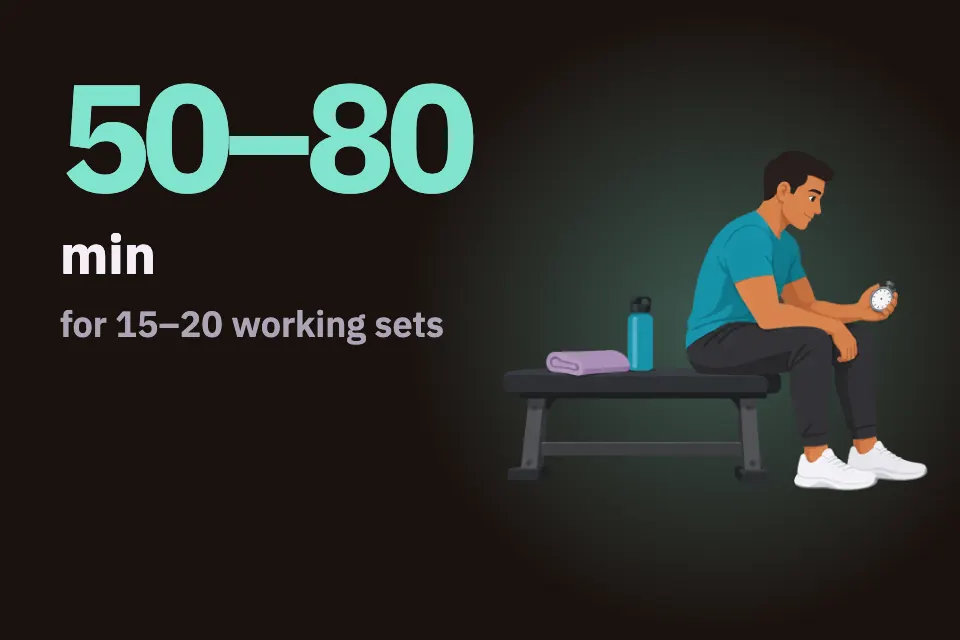
Session length is arithmetic: working sets times set time plus rest, then warm-ups. Research sets no ideal duration, and the 45-minute cortisol rule does not hold up.
Read article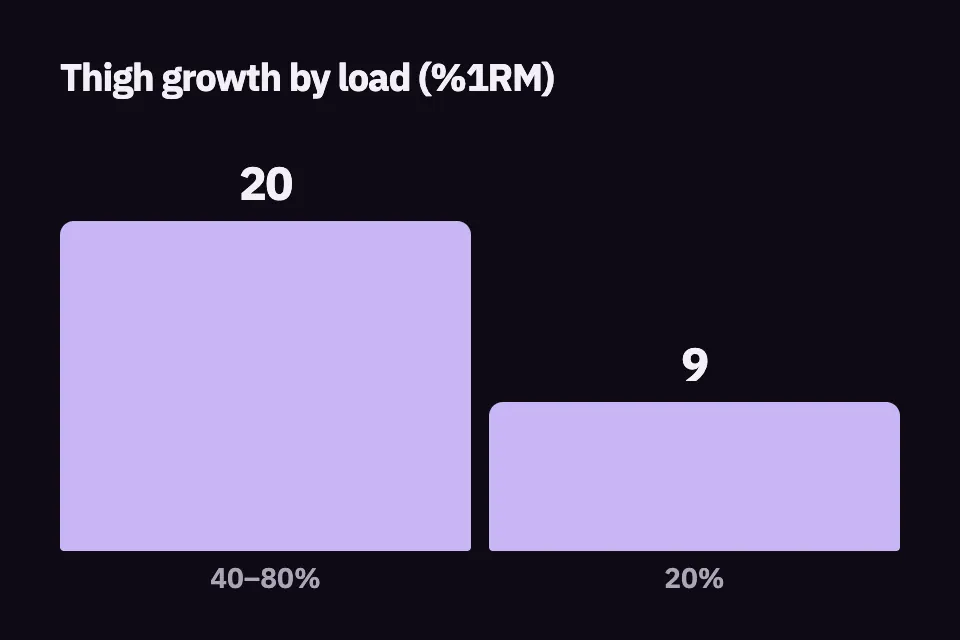
Muscle growth is similar across a wide range of reps when sets end close to failure. Heavy loads build more strength, and light sets only work if you push them hard.
Read article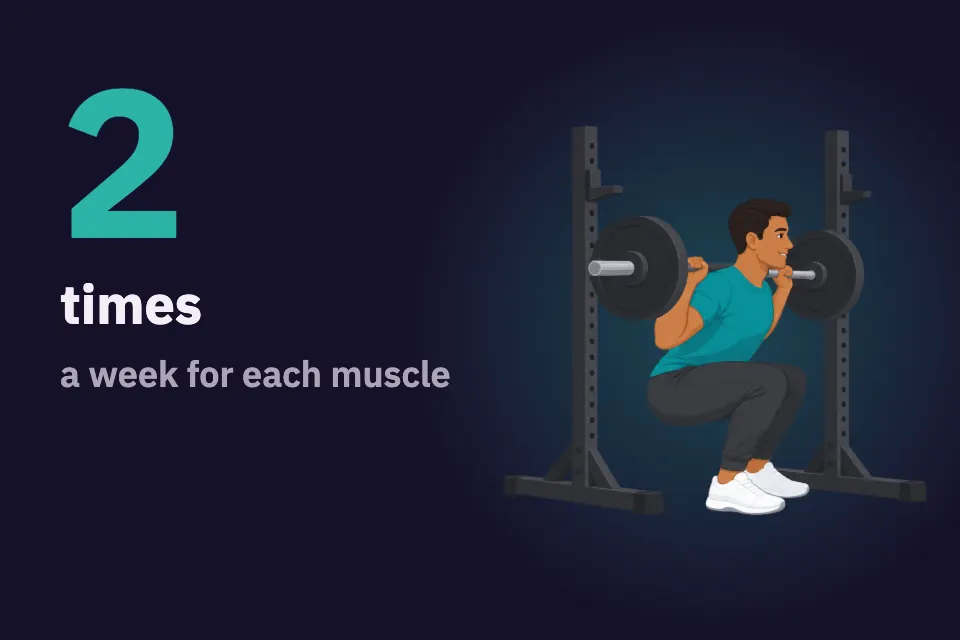
Twice a week per muscle is a sensible default. With weekly sets equal, studies find similar growth from 1 to 3 or more sessions, so volume matters more than frequency.
Read article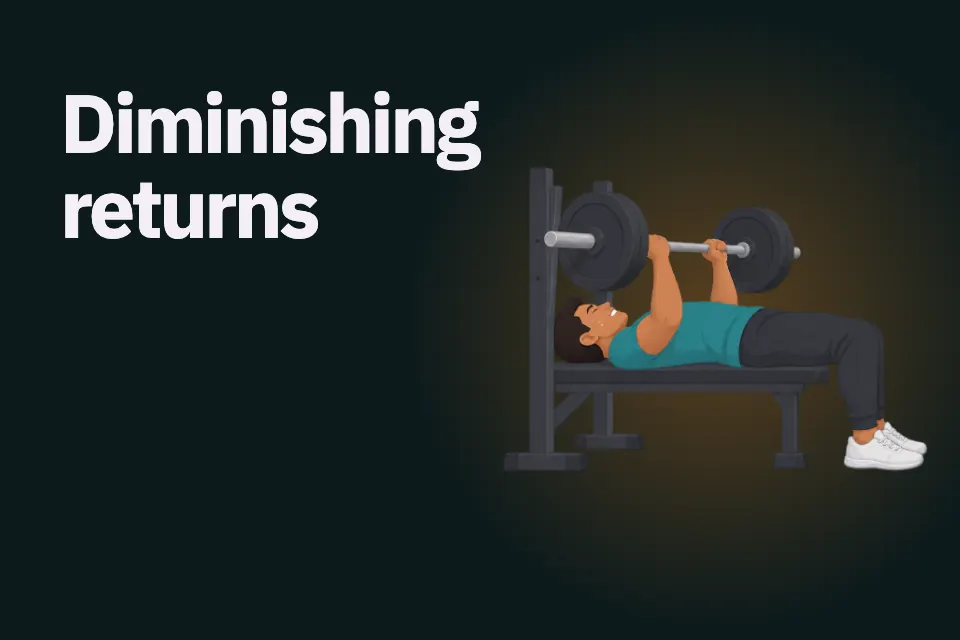
One hard set can build muscle, but more sets usually add a little more, with diminishing returns. Fatigue, time and recovery, not a magic number, set the ceiling.
Read article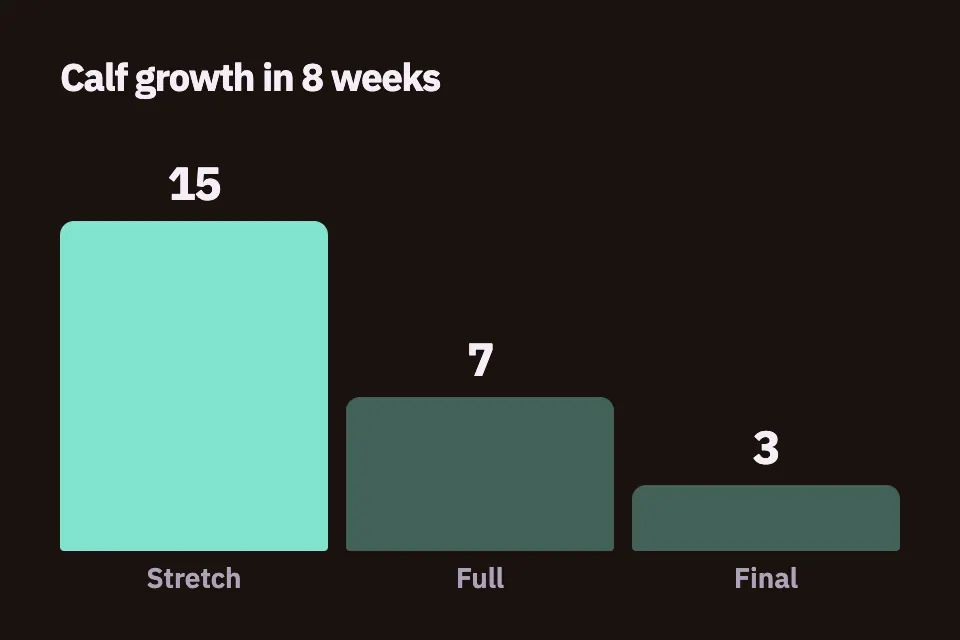
Partial reps in the stretched position can build muscle, and a few small studies found more growth. Larger trials in trained lifters found them about equal to full ROM.
Read article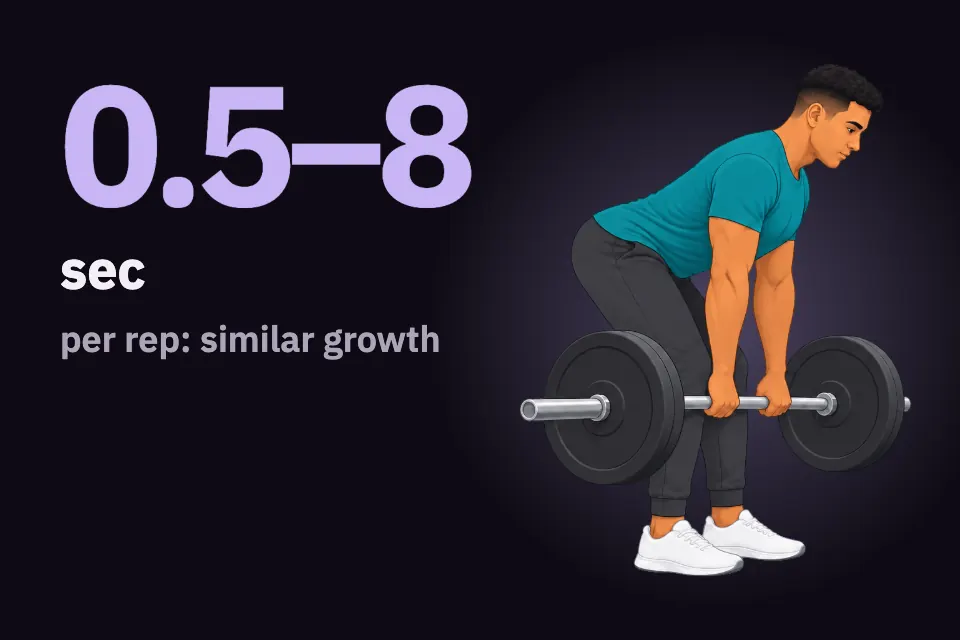
Reps lasting anywhere from about half a second to 8 seconds built similar muscle in studies. Control the lowering, skip super slow reps, and keep your tempo consistent so your log compares fairly.
Read article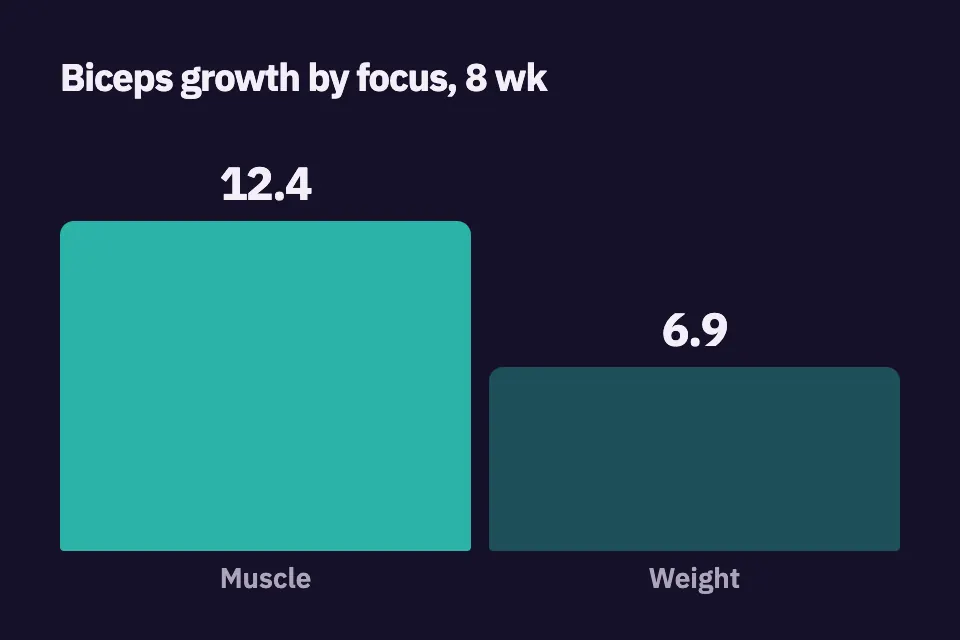
Focusing on the muscle may help growth in small muscles at moderate loads. On heavy lifts, focusing on moving the weight produces more force. Use each where it fits.
Read article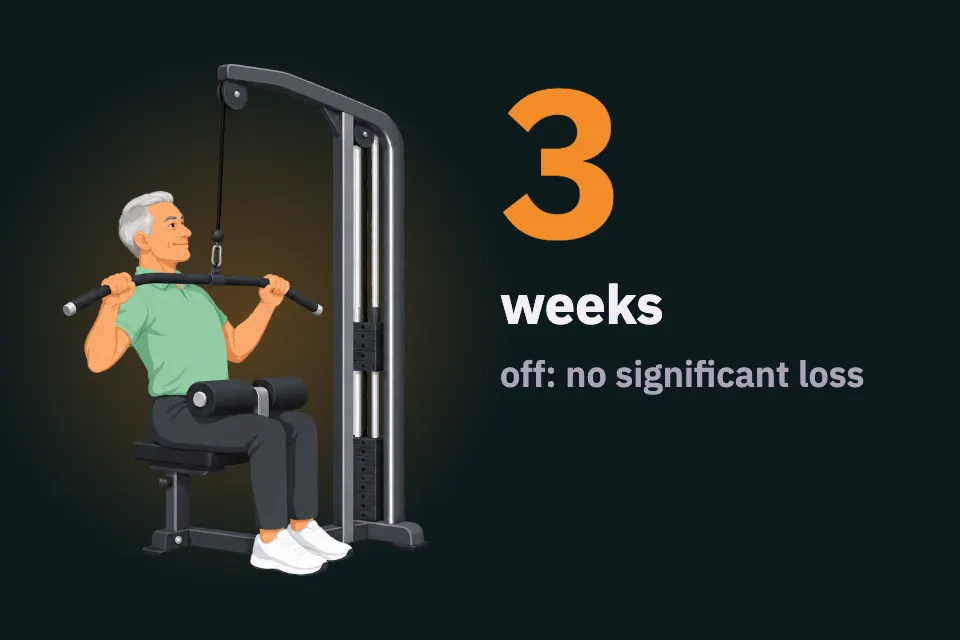
A break of one to three weeks costs very little. Strength fades more slowly than size, and muscle you built before tends to come back faster than it took to build.
Read article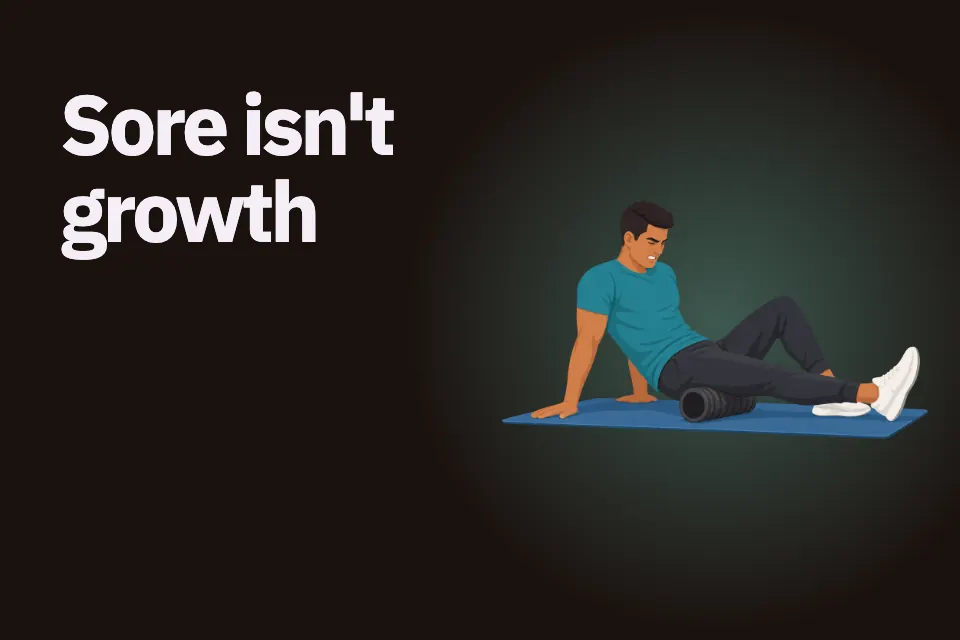
Soreness a day or two after training is normal, but it is a poor sign of muscle growth. You can usually train while mildly sore if you adjust the session.
Read article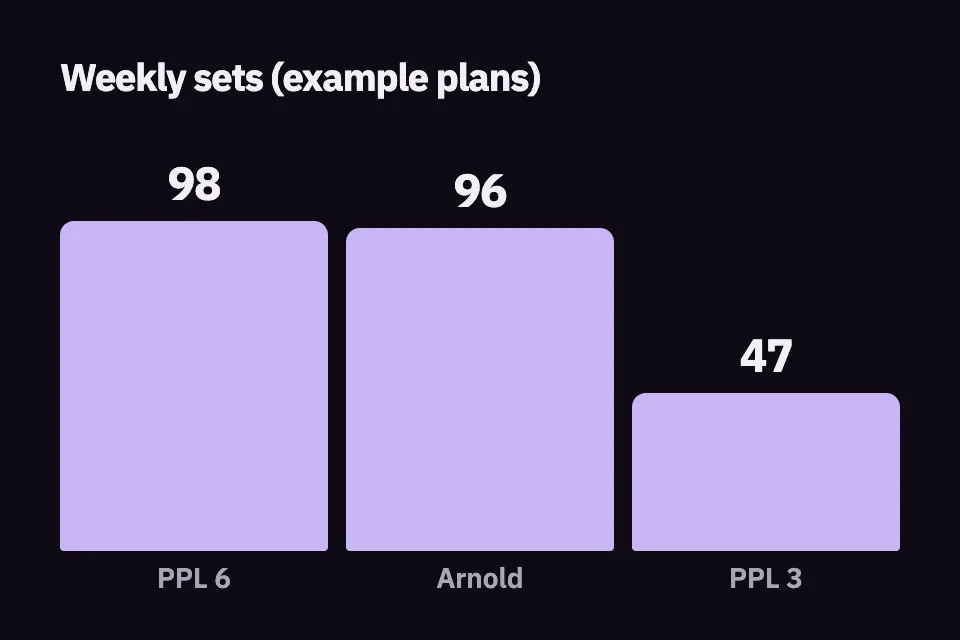
PPL and the Arnold split both train each muscle twice in six days. Weekly sets and recovery matter more than which muscles share a session, so pick the one you can sustain.
Read article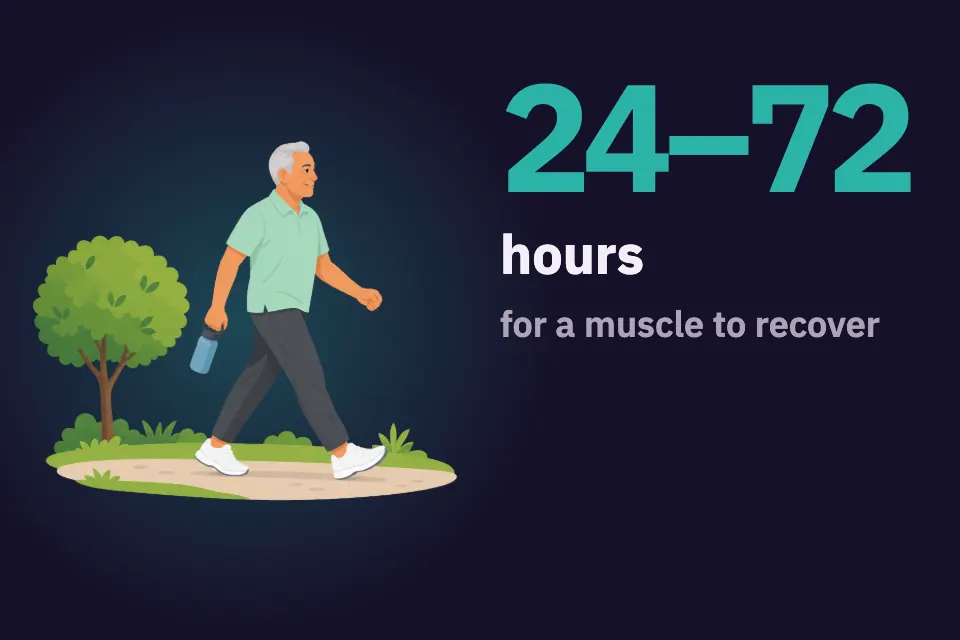
Training every day can work if the same muscles are not trained hard on back-to-back days. Judge recovery by your performance at the same load and effort, not by soreness.
Read article
Short sleep lowers training performance and muscle protein synthesis in lab studies. Long-term muscle growth trials are scarce, so aim for 7+ hours and log the bad nights.
Read article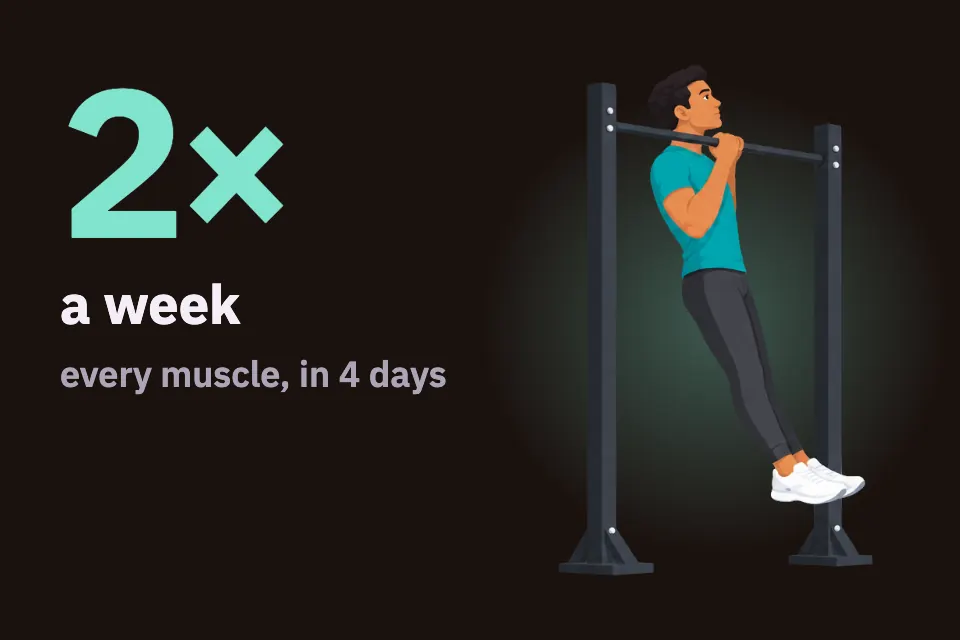
An upper/lower split trains each muscle twice in four days a week. Here are weekly layouts, an example plan with sets per muscle, and how to progress on it.
Read article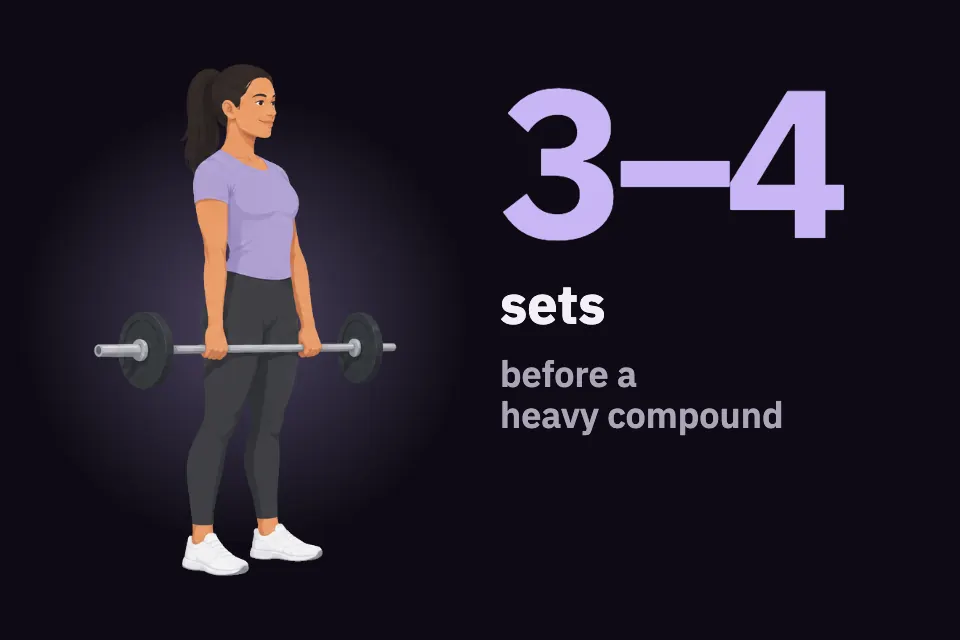
A few light minutes, then a short ramp of lighter sets of the lift you are about to train. Heavier working sets need more warm-up sets. Warm-ups are not working sets.
Read article
Hevy and Strong are good apps with low limits on their free plans. Here is what each one caps, what FitArchive does differently, and when you should not switch.
Read article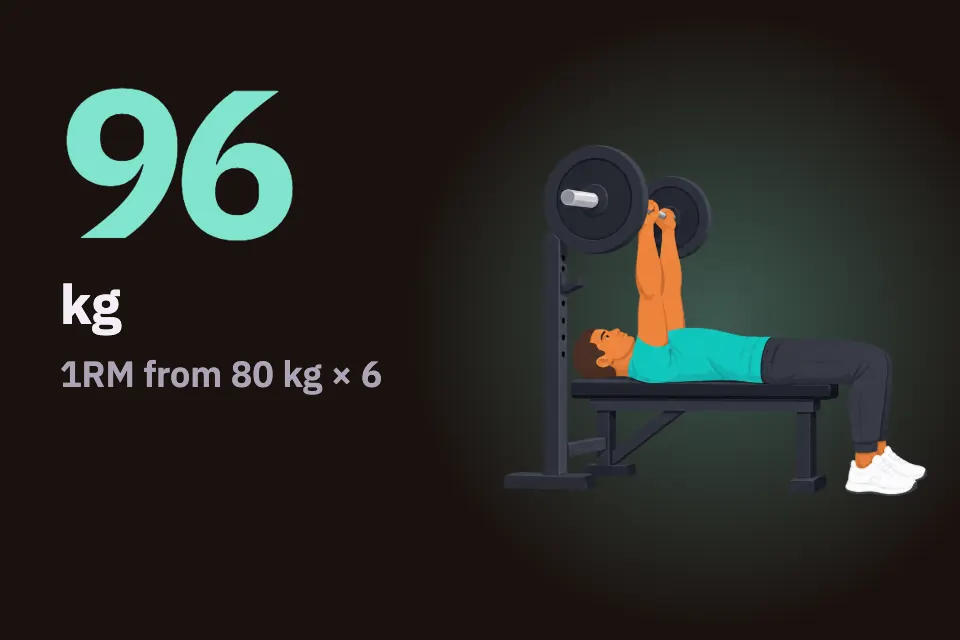
Estimate your one-rep max from a set of about 10 reps or fewer instead of testing it. Formulas, a worked example, a percentage chart and the limits of each.
Read article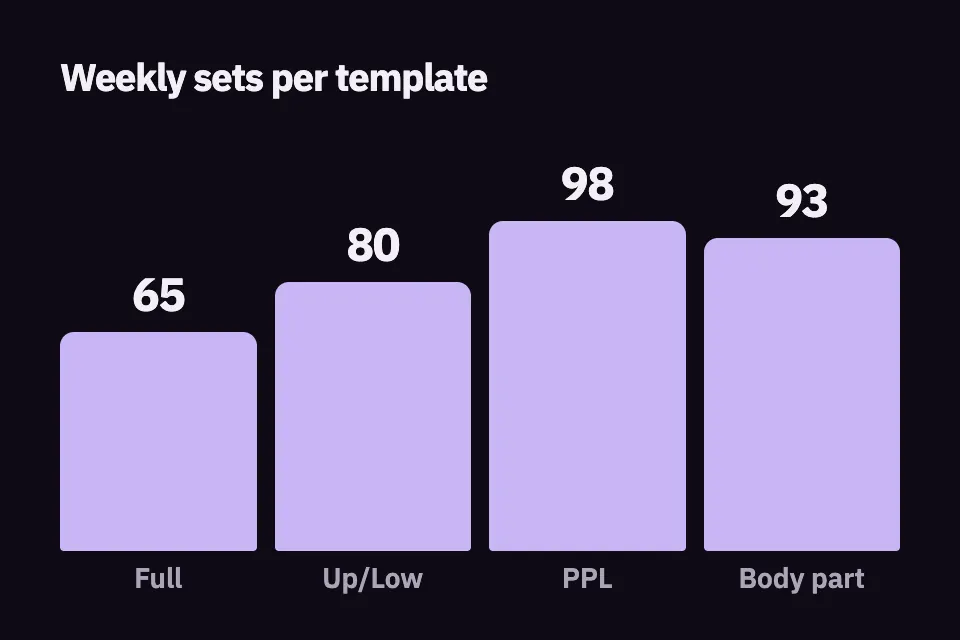
Choose a split by the days you can train. When weekly sets are matched, studies find similar gains from split and full-body routines, so sets per muscle matter more.
Read article
Export a CSV from Strong or Hevy, preview it, then import it. Here is what each export contains, what carries over, and how to check your history afterwards.
Read article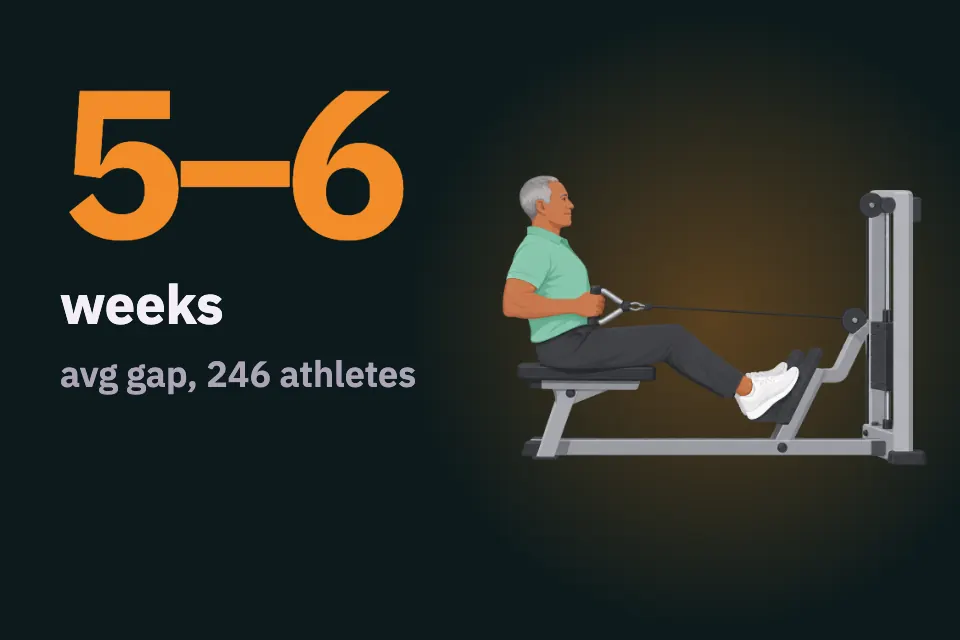
A deload is a planned lighter week. Record which variable you reduced and why, so the lower numbers are not mistaken for a plateau when you review your log.
Read article
Double progression holds the load while reps improve, then raises the load after a top-of-range rule you set in advance is met.
Read article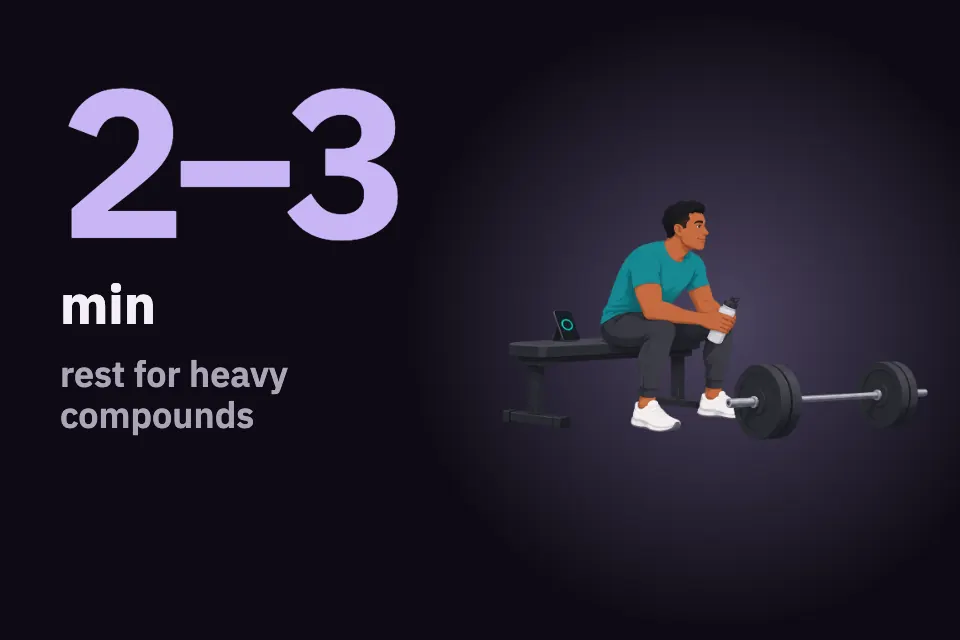
Evidence suggests about 2–3 minutes for heavy compound lifts and less for smaller exercises. Keep rest roughly consistent and note it, or your reps can mislead you.
Read article
Count hard working sets, give compound lifts half credit for helper muscles, and read the weekly total as a trend beside your performance, not as a quota.
Read article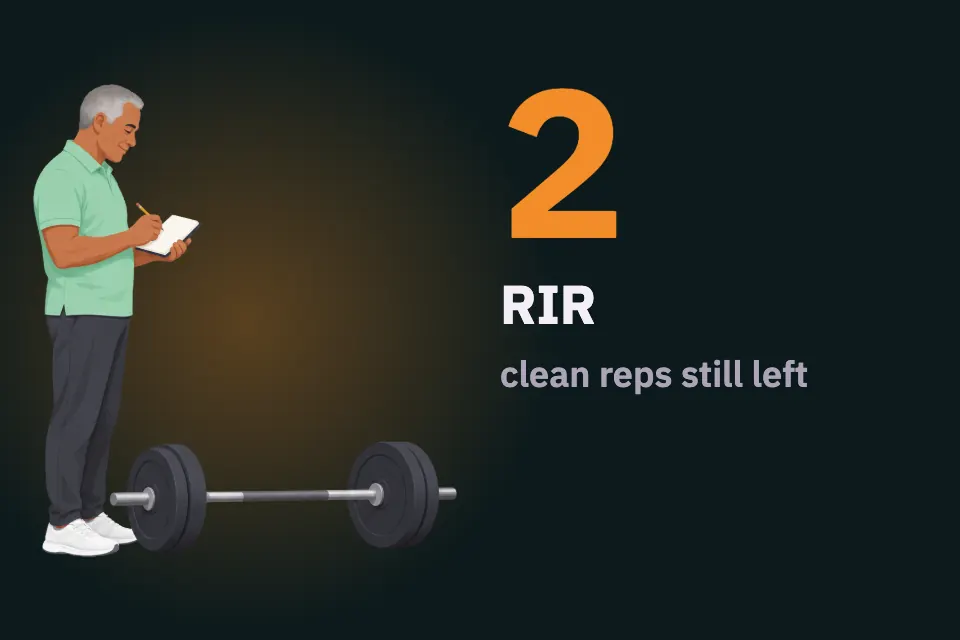
Weight and reps tell you what happened. RIR adds how close that set felt to your clean-rep limit. Here is a practical way to record all three.
Read article
Progressive overload is easier to judge when exercise, load, reps, effort, and technique stay together in your log and you compare like with like.
Read article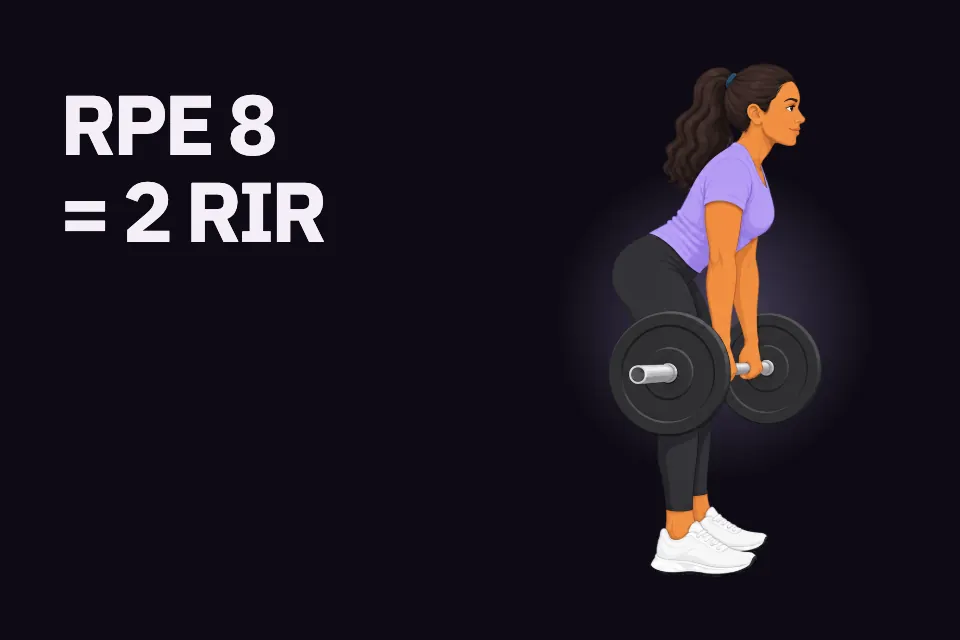
RPE rates how hard a set was; RIR estimates how many good reps were left. Near failure, RPE is roughly 10 minus RIR, but one consistent scale matters more.
Read article
A plateau is a pattern across comparable sessions, not one flat set. Audit your log, rule out simple causes, then run one small, recorded experiment.
Read article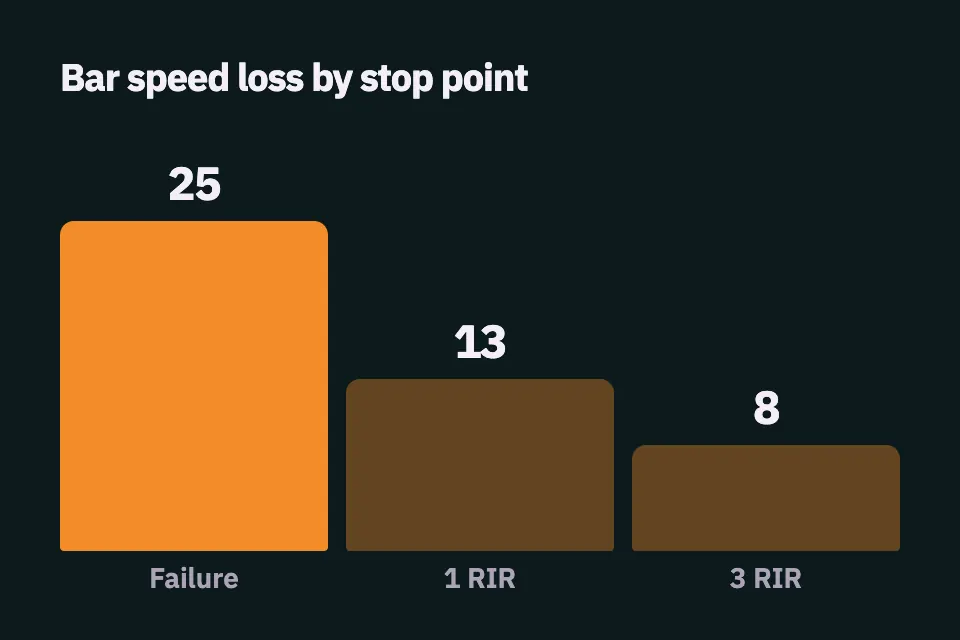
Zero RIR is one possible stopping point, not a requirement for every set. Evidence suggests sets ending close to failure can build muscle about as well, with less fatigue.
Read article
A good log makes the next session easier to plan. This template keeps the few fields that explain what really happened, with a filled example and review steps.
Read article