
How to Count Weekly Sets per Muscle Without Double-Counting
Count hard working sets, give compound lifts half credit for helper muscles, and read the weekly total as a trend beside your performance, not as a quota.
Read article Fit.ArchiveOpen my log
FitArchive / Journal / Page 5
Train with a record. Research-backed guides to splits, reps, protein and Vietnamese food calories that help you read what you log and plan the next session.
No articles found.
Count hard working sets, give compound lifts half credit for helper muscles, and read the weekly total as a trend beside your performance, not as a quota.
Read article
Keep training and food records side by side, but judge patterns across a week rather than blaming one meal for one difficult set.
Read article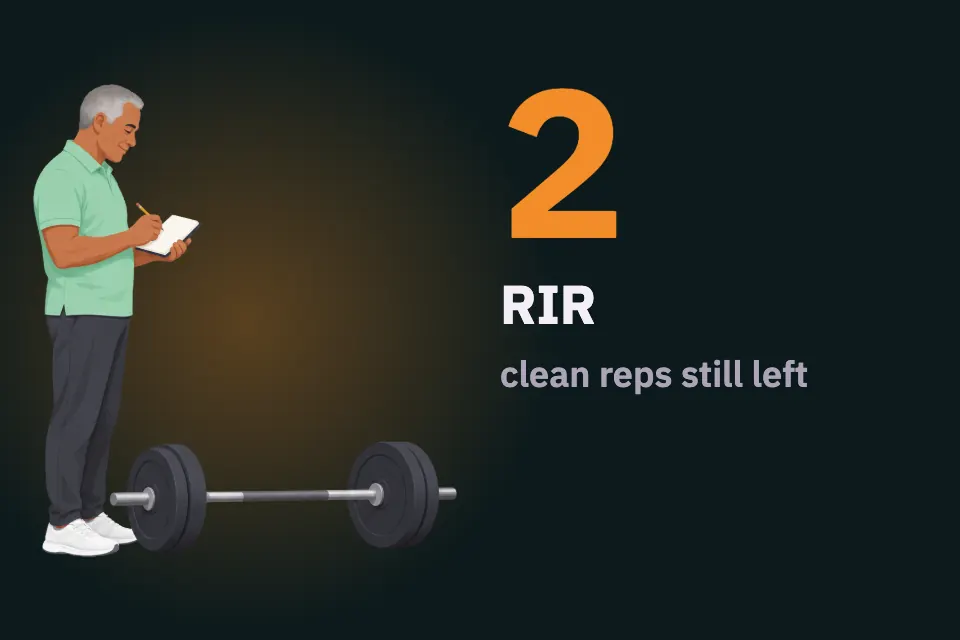
Weight and reps tell you what happened. RIR adds how close that set felt to your clean-rep limit. Here is a practical way to record all three.
Read article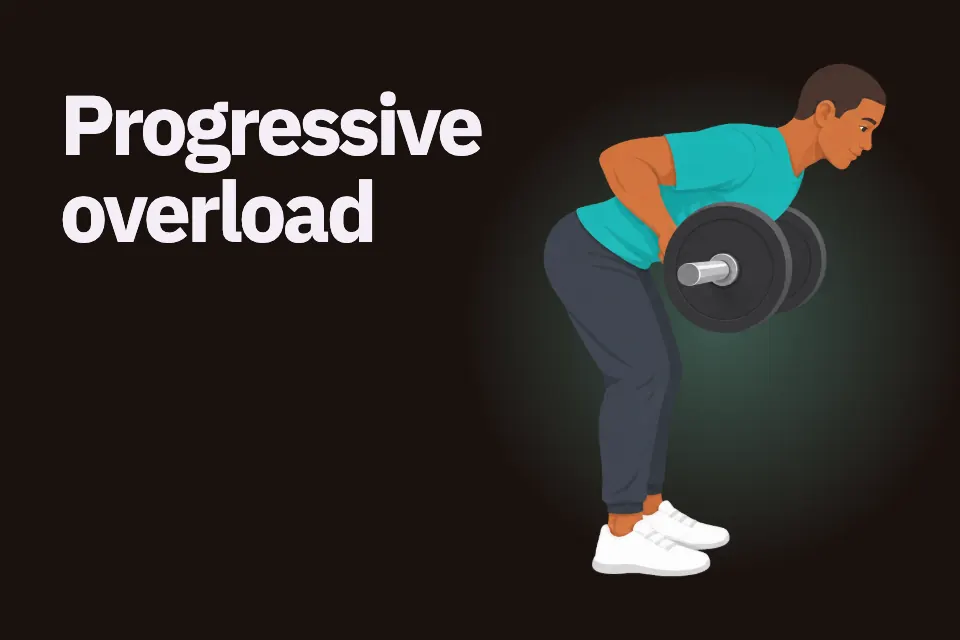
Progressive overload is easier to judge when exercise, load, reps, effort, and technique stay together in your log and you compare like with like.
Read article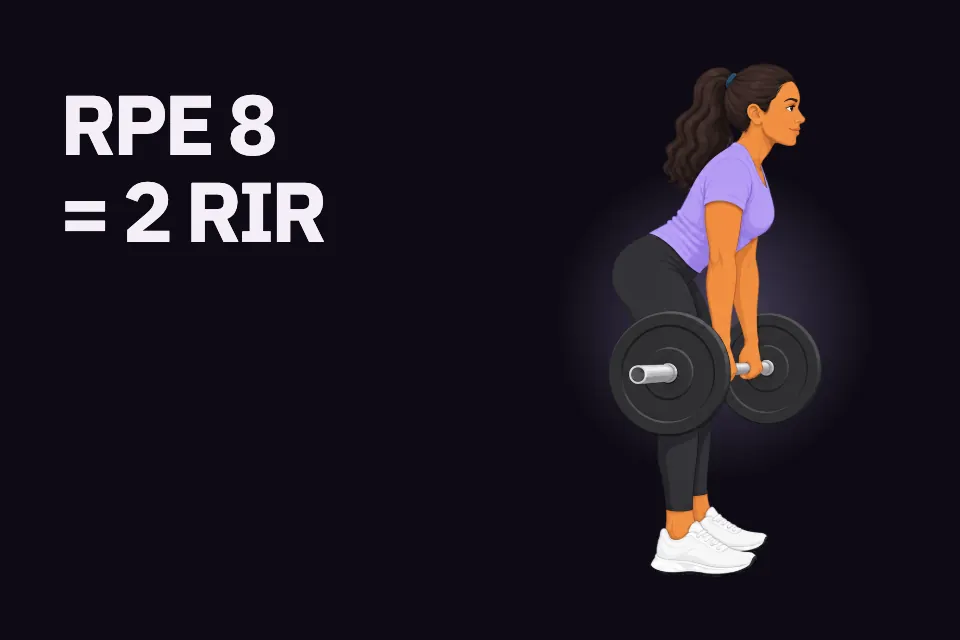
RPE rates how hard a set was; RIR estimates how many good reps were left. Near failure, RPE is roughly 10 minus RIR, but one consistent scale matters more.
Read article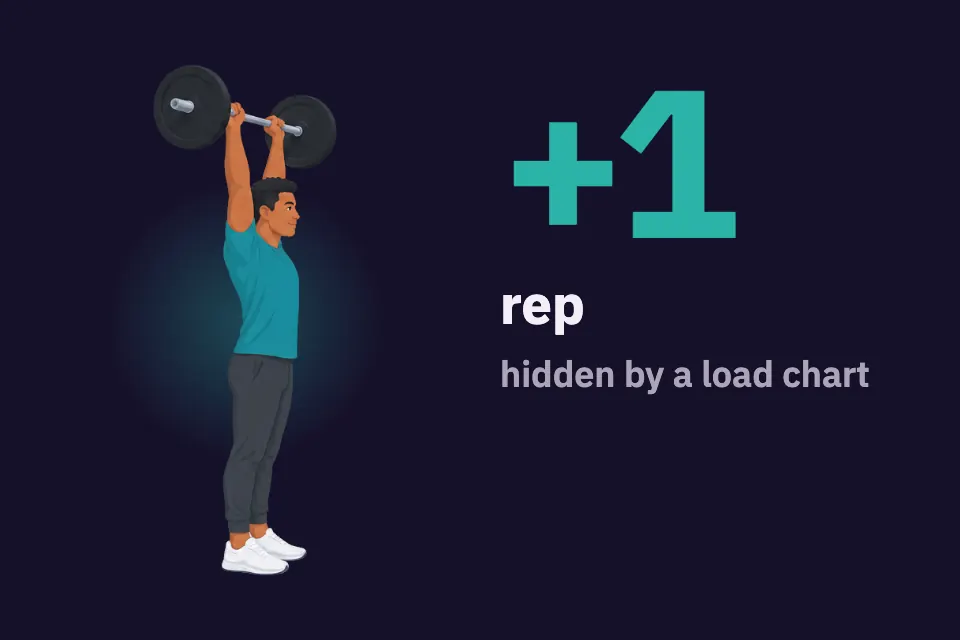
A plateau is a pattern across comparable sessions, not one flat set. Audit your log, rule out simple causes, then run one small, recorded experiment.
Read article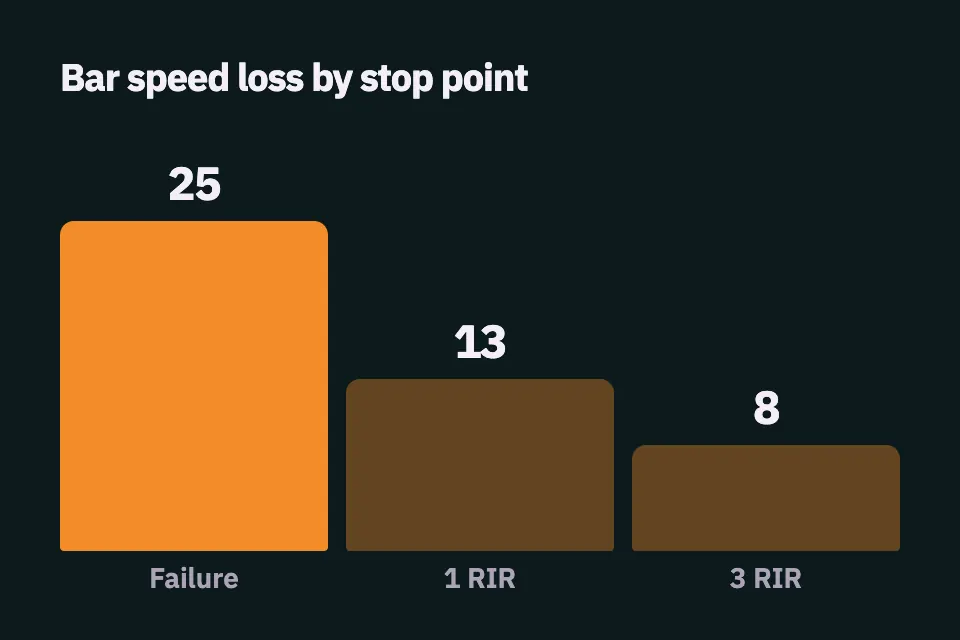
Zero RIR is one possible stopping point, not a requirement for every set. Evidence suggests sets ending close to failure can build muscle about as well, with less fatigue.
Read article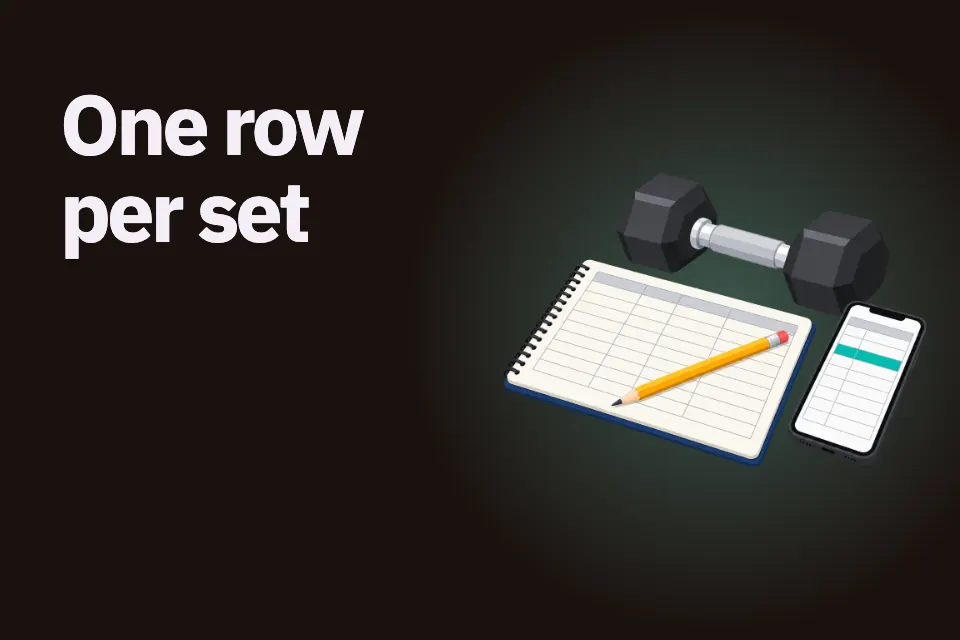
A good log makes the next session easier to plan. This template keeps the few fields that explain what really happened, with a filled example and review steps.
Read article